












What are the side effects of GLP-1 tablets?

- How GLP-1 tablets work and how they differ from weight loss injections
- Which side effects occur most frequently
- Which rare but serious side effects are possible
- How a gradual dose increase can improve tolerability
- What to bear in mind when taking GLP-1 tablets
- GLP-1 tablet side effects
- Why do GLP-1 tablets cause side effects?
- What are the most common side effects of GLP-1 tablets?
- How does the Wegovy pill compare?
- What about orforglipron?
- Serious side effects.
- How can side effects be reduced?
- Who should avoid GLP-1 tablets?
- Why medical supervision remains important
- When will GLP-1 pills become available?
- Final thoughts
GLP-1 tablet side effects
GLP-1 tablets are an established treatment option for excess weight and, in some formulations, type 2 diabetes. Like all medicines, they can cause side effects. The most commonly reported are gastrointestinal, reflecting the way these medicines directly influence digestion and appetite regulation. Serious side effects are uncommon but possible.
Why do GLP-1 tablets cause side effects?
The active ingredients in GLP-1 tablets mimic a gut hormone that reduces appetite and slows digestion. The stomach empties more slowly, food remains in the digestive tract for longer, and the body processes meals differently from usual. Whether the active ingredient is injected or swallowed makes no difference to this mechanism.
Good to know
These mechanisms explain the weight loss, but also lead to typical symptoms such as nausea, a feeling of fullness, and occasional diarrhoea or constipation. A GLP-1 tablet is therefore not automatically associated with fewer side effects than an injection.
What are the most common side effects of GLP-1 tablets?
Gastrointestinal side effects such as nausea, vomiting, diarrhoea, and constipation are common. In the OASIS-4 registration study of oral semaglutide, gastrointestinal complaints occurred in 74% of those treated, compared with 42.2% in the placebo group. Headaches and fatigue also occur, particularly in the first weeks of treatment.
The table below provides an overview of GLP-1 tablets currently available in the UK:
| Name | Active ingredient | Use |
|---|---|---|
| Wegovy pill | Oral semaglutide | Weight reduction in obesity (daily tablet), MHRA-approved June 2026 |
| Rybelsus | Oral semaglutide | Type 2 diabetes (daily tablet, lower dose), not licensed for weight management |
| Foundayo | Orforglipron | Weight reduction in obesity (daily tablet), MHRA-approved August 2026 |
How does the Wegovy pill compare?
It contains the same active ingredient as the Wegovy injection, but at a significantly higher dose of 25 mg. Semaglutide is only absorbed to a small extent through the gastrointestinal tract. The tablet therefore requires a significantly higher dose of the active ingredient than the injection to achieve a comparable effect, made possible by the absorption enhancer SNAC.
In the study, participants took 25 mg orally daily. Nausea occurred in 46.6% of cases, vomiting in 30.9%, and gastrointestinal complaints overall in 74%.
The side effect profile of the Wegovy pill does not differ significantly from that of the injection. In the OASIS-4 study, symptoms were predominantly mild to moderate, and serious side effects were rare.
What about orforglipron?
Orforglipron has a different pharmacological structure. While semaglutide is a peptide-based active ingredient, orforglipron is a small, non-peptide molecule that activates the GLP-1 receptor in a different way. It is available in the UK under the name Foundayo, approved by the MHRA on 10 August 2026.
What are the typical side effects of orforglipron?
Gastrointestinal complaints are again the most common complaints. These include nausea, constipation, diarrhoea, and vomiting, along with occasional headaches, abdominal pain, heartburn, and hair loss.
A note on Mounjaro
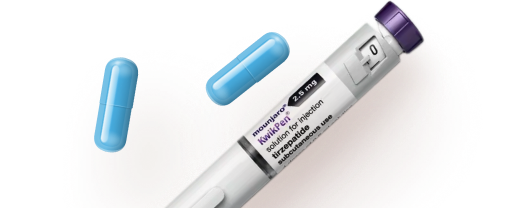
Mounjaro is not available as a tablet in the UK. Mounjaro contains tirzepatide, orforglipron is a separate active ingredient. Both come from Eli Lilly, but they work differently. Orforglipron activates only the GLP-1 receptor, while tirzepatide also activates the GIP receptor.
Serious side effects.
The side effects most people experience on GLP-1 tablets are gastrointestinal and temporary. A small number of more serious effects are possible, however, and knowing what to watch for means any problems can be identified and acted on early. The following are rare but worth understanding before starting treatment.
Pancreatitis, gallbladder problems, and sudden vision loss are among the serious side effects that have been reported with GLP-1 medicines.
Vision disturbances and NAION
For semaglutide, non-arteritic anterior ischaemic optic neuropathy, known as NAION, has been classified as a very rare side effect. This is a condition of the optic nerve with sudden deterioration in vision. The MHRA and European pharmacovigilance authorities concluded in 2025 that NAION can occur in up to 1 in 10,000 people treated.
Other serious but rare side effects
Kidney damage can occur indirectly when persistent nausea, vomiting, or severe diarrhoea leads to dehydration.
Important!
In the case of persistent abdominal pain, sudden visual disturbances, or significant dehydration, contact a doctor immediately.
How can side effects be reduced?
Nausea, bloating, or diarrhoea can be alleviated by eating small portions of easily digestible foods in the first few weeks. Very fatty or heavily spiced foods should be avoided at the start. Drink enough fluids, but in small amounts spread throughout the day.
If severe or unusual symptoms occur, such as persistent vomiting or signs of gallbladder or pancreatic problems, contact your prescriber before reducing or pausing treatment independently.
Good to know
A gradual dose increase strengthens the effect and protects against unnecessarily severe side effects. If symptoms occur, it may make sense to remain on a dose for longer rather than increasing, and your prescriber can advise on this
Who should avoid GLP-1 tablets?
The following medical circumstances increase the risk of serious side effects or mean GLP-1 tablets are not appropriate.
Contraindications
Anyone with a personal or family history of medullary thyroid carcinoma or MEN-2 syndrome must not use these medicines. A known hypersensitivity to the active ingredient is also a contraindication.
Interactions with other medicines
GLP-1 tablets slow gastric emptying. This affects the absorption of other oral medicines, which is why the Wegovy pill requires a gap of at least 30 minutes before other medicines are taken. The combination with insulin can also increase the risk of hypoglycaemia.
Pre-existing conditions, pregnancy, and family history
Those with severe gastrointestinal diseases, gallbladder problems, kidney disease, or significantly restricted fluid intake, there is a higher risk of complications. Women who are pregnant, breastfeeding or planning, trying to conceive should avoid treatment. If thyroid conditions run in your family, should seek medical advice before starting.
Important!
The effect of a GLP-1 tablet shows itself not only on the scales. Monitor your digestion and any new symptoms so that serious problems can be identified early.
Why medical supervision remains important
Before any prescription is issued, a prescriber should establish whether there are comorbidities, underlying causes of weight gain, or contraindications. Nutritional support, increased physical activity, and behavioural changes form part of the treatment alongside medication.The medicine alone is not sufficient.
Regular monitoring typically covers weight loss progress, tolerability of the dosage, possible gastrointestinal complaints, signs of gallbladder or pancreatic problems, and relevant blood values.
When will GLP-1 pills become available?
The Wegovy pill was approved by the MHRA on 11 June 2026 and is available in the UK via private prescription following a medical assessment. Foundayo received MHRA approval on 10 August 2026 and is also available privately. NHS access for both treatments remains limited at this stage. Patients currently bear the cost of private prescriptions themselves.
Final thoughts
GLP-1 tablets are among the newest treatment options for excess weight. They intervene in the same digestive processes as the injections, though side effects can vary considerably between individuals.
Most symptoms occur in the first few weeks or during dose increases. Serious side effects such as pancreatitis, gallbladder problems, or visual disturbances remain rare.
Adjusting your diet, staying well hydrated, and increasing the dose gradually under prescriber guidance can significantly reduce side effects. Medical supervision throughout treatment remains essential.
FAQ
How long do side effects last?
Symptoms such as nausea or diarrhoea occur mainly in the first few weeks and then diminish considerably. A gradual dose increase improves tolerability.
Can GLP-1 tablets be dangerous?
Serious side effects such as pancreatitis, gallbladder problems, or severe dehydration are rare but possible.If you experience severe or persistent symptoms, contact your prescriber or seek medical help promptly.
What can I do to reduce side effects?
Small meals, a low-fat diet, eating slowly, and adequate fluids in small amounts help to keep symptoms to a minimum.
Does the Wegovy pill need to be taken on an empty stomach?
Yes. It is taken on an empty stomach after at least eight hours without food. At least 30 minutes must then pass before eating, drinking, or taking another oral medicine.
Why is the dose of the tablet so much higher than that of the injection?
Semaglutide is only partially absorbed through the gastrointestinal tract, which means the tablet requires a significantly higher dose of the active ingredient than the injection to achieve a comparable effect.
Is the Wegovy pill as effective as the injection?
The weight loss outcomes of both forms are broadly similar, though a direct head-to-head comparison within a single clinical trial has not yet been published.
Is there a Mounjaro tablet?
No, Mounjaro contains tirzepatide. Foundayo, which is available in pill form contains orforglipron and is a separate oral GLP-1 receptor agonist with a different mechanism of action.
What distinguishes Rybelsus from the Wegovy pill?
Both contain orally administered semaglutide. Rybelsus is lower-dosed and approved for type 2 diabetes; the Wegovy pill is considerably higher-dosed at up to 25 mg and specifically intended for weight reduction. They are not interchangeable.
What causes diarrhoea when taking the tablet?
GLP-1 medicines slow gastric emptying and alter bowel activity. This frequently leads to diarrhoea, particularly at the start of treatment.
Who should not use a GLP-1 tablet?
GLP-1 tablets are not suitable for people with certain thyroid conditions, pancreatitis, severe kidney insufficiency, or during pregnancy or breastfeeding. Suitability is always confirmed by a prescriber following a medical assessment.
How long should GLP-1 tablets be used?
The duration of treatment depends on individual therapeutic success and is managed with medical supervision. Long-term use is frequently required.
Will weight return after stopping?
For most people, yes. Appetite and feelings of hunger tend to return to pre-treatment levels once the medicine is stopped, and weight often follows. This is why sustainable dietary and lifestyle changes alongside treatment are important.
Can GLP-1 tablets be combined with other medicines?
Because of slowed gastric emptying, the absorption of other oral medicines can be affected. Discuss any combination with your doctor in advance.
Are GLP-1 tablets available on the NHS?
Both the Wegovy pill and Foundayo are currently available in the UK via private prescription only. NHS access remains limited at this stage. A prescriber can advise on what is currently available for your circumstances.
The DoktorABC medical advisory board

Dr. Roland Ruiken
Medical advisor, Norway

Dr. Viktor Simunovic
Medical advisor, Croatia