







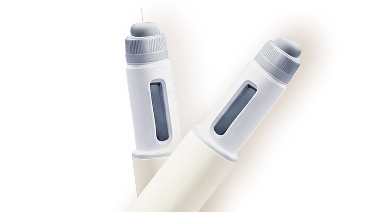

Weight loss
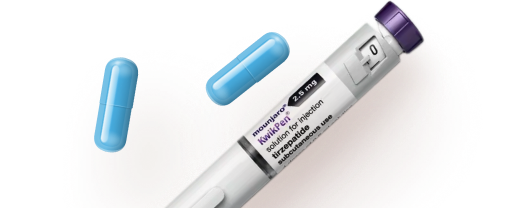
Injectable treatment
Taken weekly
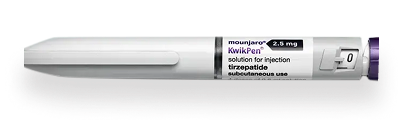
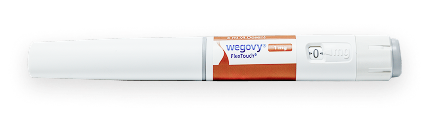
One injection a week.
Simple to fit into your schedule.
Simple to fit into your schedule.
Why DoktorABC?

UK licensed and regulated pharmacy services

Speak to a UK-registered prescriber today - no appointment required

Discreet delivery in 2-3 business days

Your data is safe

Transparent pricing and no hidden fees

1M+ customers worldwide

4M orders worldwide

Over 8+ Years of trust



We're here to help. Our team is available Monday to Friday, 9:00 AM–6:00 PM.

Lencya 30mg 12 Pills (medical fee)Pills
Package: 60 st
Access clinically proven weight loss treatment through a short online consultation. All orders are delivered in discreet packaging within 2-3 business days.


Access clinically proven weight loss treatment through a short online consultation. All orders are delivered in discreet packaging within 2-3 business days.

Based on separate long-term clinical trials.

From consultation to delivery, your privacy is protected at every step.

All treatments are MHRA-regulated and dispensed by GPhC-registered pharmacies.

You are only charged once a UK-registered prescriber has reviewed and approved your prescription.
Based on separate long-term clinical trials.
From consultation to delivery, your privacy is protected at every step.
All treatments are MHRA-regulated and dispensed by GPhC-registered pharmacies.
You are only charged once a UK-registered prescriber has reviewed and approved your prescription.
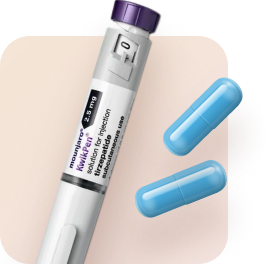
Injectable and tablet options, both assessed and prescribed by a UK-registered prescriber.
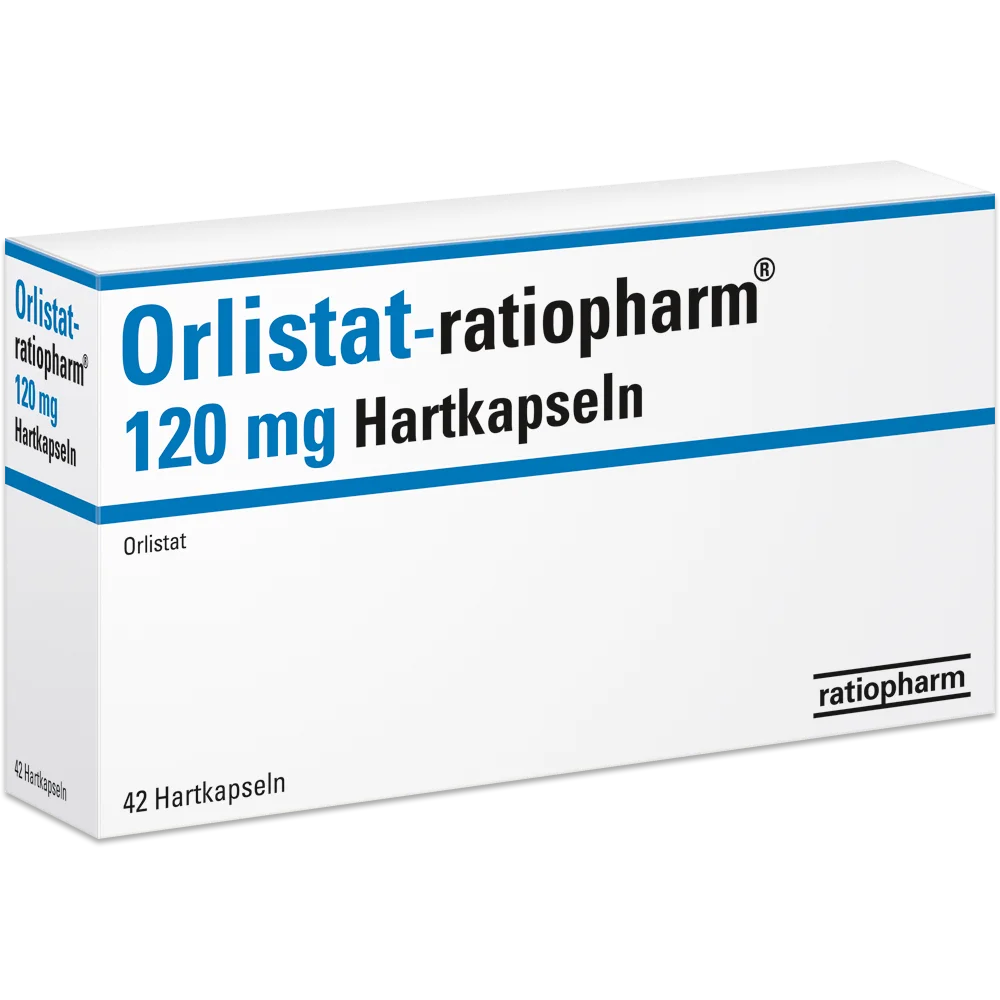
One tablet a day.
No injections required.
Lose weight with a plan made just for you.
The attending physician will review your information and issue a prescription if necessary.


Immediately after completing the discreet online questionnaire


The selected pharmacy will ship your medication in 1-2 working days


Adjust the slider to see an estimate of what you could achieve over time.
**Across separate long-term clinical trials, Wegovy and Zepbound were associated with average weight loss of 15–20% in adults with overweight or obesity, when combined with diet and lifestyle changes. Individual results vary and cannot be guaranteed.
Injectable and tablet options, both assessed and prescribed by a UK-registered prescriber.
One tablet a day.
No injections required.
BMI stands for Body Mass Index. It's a simple calculation that uses your height and weight to estimate whether your weight is within a healthy range for your body.


I used to have constant cravings. Now I feel full faster and overall much more comfortable in my body.


Slow but steady – that's what I wanted. I especially appreciated the continuous support and discreet delivery.

After two pregnancies, I wanted to feel fitter again. Not a radical crash course, but steady, good progress.

Started online, without much effort – exactly my thing. Less appetite, better structure in my meals. I'll definitely stick with it.
Lose weight with a plan made just for you.
The attending physician will review your information and issue a prescription if necessary.
Immediately after completing the discreet online questionnaire
The selected pharmacy will ship your medication in 1-2 working days
How do I know if I may be suitable for medical weight management?

How does this service support weight management?
Which medicines may be considered?
What is GLP-1 treatment and how does it work?
What dose is used with GLP-1 medicines?
How are these medicines taken?
How often are GLP-1 injections taken?
How quickly might results be noticed?
How long is treatment usually continued?
How effective are GLP-1 medicines?
How can I get the most from GLP-1 treatment?
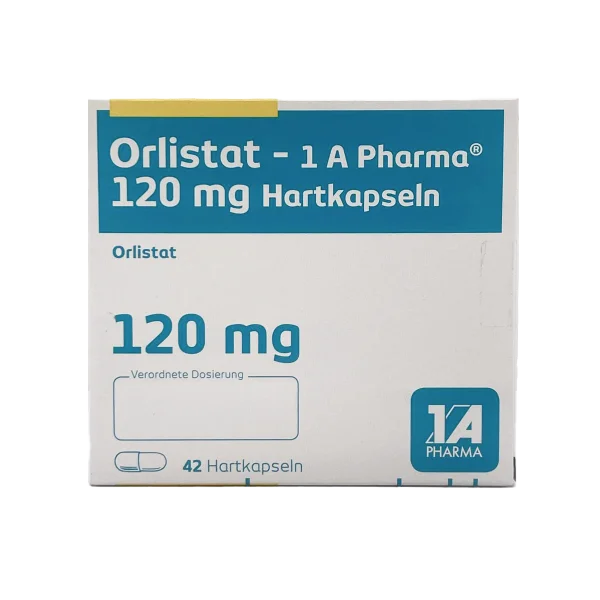
What is fat-blocker tablet therapy and how does it work?
What dose is used with fat-blocker tablets?
How effective are fat-blocker tablets?
Are these treatments safe?
What side effects can occur with GLP-1 medicines?
What side effects can occur with fat-blocker tablets?
How can treatment be stopped safely?

Our platform is fully GDPR-compliant, because when it comes to your health, privacy is not optional.





Overweight and obesity are common health concerns in the UK and are associated with an increased risk of conditions such as type 2 diabetes, cardiovascular disease, certain cancers and joint problems. For many adults, gradual and sustainable weight loss can be achieved through lifestyle changes, including nutrition, physical activity, sleep and behavioural support.
In some cases, medical treatment may be considered as part of a structured, clinician-led approach, particularly when excess weight is affecting health or increasing future health risks.
Important information: DoktorABC UK is a digital health platform that connects patients with independent, UK-registered healthcare professionals. DoktorABC UK does not itself provide medical care, issue prescriptions or dispense medicines. All clinical decisions are made by the UK-registered prescriber following an individual medical assessment.
Overweight refers to body weight that exceeds what is generally considered healthy for a person's height. Excess weight is associated with an increased risk of several long-term health conditions, including type 2 diabetes, cardiovascular disease, stroke, certain cancers and joint problems.
Overweight can be influenced by multiple factors, including dietary habits, physical inactivity, genetics, sleep patterns, stress, certain medicines and underlying medical conditions
A commonly used measure is the body mass index (BMI), which relates body weight to height.
| BMI category | BMI value |
|---|---|
| Overweight | BMI ≥ 25 |
| Obesity | BMI ≥ 30 |
Note:
BMI is a screening tool and does not distinguish between fat mass and muscle mass. A healthcare professional can help interpret BMI results in the context of overall health.
BMI is calculated as body weight in kilograms divided by height in metres squared.
Example: A person who weighs 60 kg and is 1.70 m tall has a BMI of 20.8, which falls within the generally accepted healthy range of 18.5 - 24.9.
Good to know. BMI does not distinguish between fat mass and muscle mass. People with higher muscle mass may have a higher BMI without excess body fat.
Weight management is often recommended when excess weight is affecting health or increasing the risk of future complications, such as high blood pressure or type 2 diabetes.
Support may also be appropriate when excess weight affects mobility, mental wellbeing or quality of life. Any decision about treatment should take individual factors into account, including age, overall health and lifestyle, and should always be discussed with a qualified healthcare professional.
Important. Some medicines, including certain corticosteroids and antidepressants, can contribute to weight gain. Any concerns about medication should be discussed with a UK-registered prescriber rather than stopping treatment independently.
Depending on individual needs, different healthcare professionals may be involved:
Often the first point of contact for assessment, referral,and ongoing support.
Provides structured dietary guidance and a personalised nutrition plans.
May be involved when hormonal or metabolic conditions contribute to weight gain.
May be considered for severe obesity or when surgical options are being explored.
Can support people where emotional, behavioural or psychological factors influence eating patterns or weight.
Management usually involves a combination of approaches, tailored to the individual:
Where clinically appropriate, prescribers may consider medicines that act on appetite regulation or nutrient absorption.Suitability depends on individual health profile, existing conditions and current prescribing guidance.
Fat-blocker medicines
Medicines containing orlistat work by reducing the absorption of dietary fat in the digestive system. Clinical studies show modest average weight loss when combined with a reduced-fat, calorie-controlled diet.
GLP-1 receptor agonists
These medicines mimic a naturally occurring gut hormone that helps regulate appetite. They may support weight loss by slowing digestion and reducing hunger signals in the brain. Examples include medicines containing semaglutide, liraglutide or tirzepatide.
In large clinical studies, adults with overweight or obesity who took semaglutide alongside lifestyle changes lost an average of approximately 15% over 68 weeks, compared to those who received a placebo. Individual outcomes vary and cannot be guaranteed.
Important. All medicines can cause side effects and should only be used under medical supervision. They work best alongside changes to diet and lifestyle. Research into long-term side effects of these medicines, including what happens to an individual when they are stopped is still ongoing.
DoktorABC UK is a digital health platform that connects patients with independent, UK-registered healthcare professionals. Patients can access a clinical assessment through a secure online process.
A UK-registered prescriber reviews the information that you provide and determines whether treatment may be appropriate for you. If treatment is considered suitable, a prescription is issued by the UK-registered prescriber in accordance with UK regulations.
DoktorABC UK does not itself provide medical care, issue prescriptions or dispense medicines. All clinical decisions are made by the independent prescribing healthcare professional following an individual assessment.
Excess weight and obesity have complex causes and often require a structured, long-term approach. While lifestyle changes remain central to weight management, some people may benefit from additional support under clinical supervision. A healthcare professional can identify the most appropriate options based on individual circumstances
This information is provided for educational purposes only and does not replace personalised medical advice. Diagnosis and treatment decisions must always be made by a qualified healthcare professional following an individual assessment.
The medical content on this page has been reviewed by qualified healthcare professionals. Information is drawn from reliable, trustworthy and verified sources, studies, research and expert opinion. Medical content is reviewed regularly to ensure maximum accuracy and reliability.

Get expert health tips, the latest treatment news and member-only offers delivered straight to your inbox.
Valid email format required
By creating an account, you agree to our Terms & Conditions and Privacy Policy.