







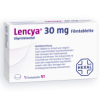
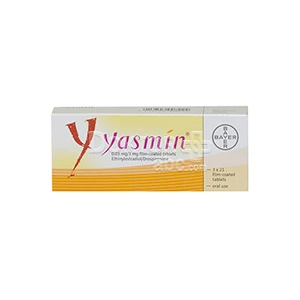





What is Yasmin?
Yasmin is one of the most widely used oral contraceptive pills, offering over 99% protection against pregnancy when taken correctly. It contains two active ingredients, drospirenone and ethinylestradiol, which work together to prevent ovulation during the monthly menstrual cycle.
How does Yasmin work?
Ovulation is controlled by two natural female sex hormones, progesterone and oestrogen. Each month, these hormones trigger the release of an egg, which if fertilised by sperm, results in pregnancy. Yasmin works by using synthetic versions of these hormones to prevent the egg from being released in the first place.
It also makes it harder for sperm to reach the uterus, and the hormone ethinylestradiol prevents the lining of the uterus from building up, reducing the chance of a fertilised egg developing into an embryo. As a result, periods often become lighter too.
Each pack of Yasmin contains 21 pills. Once you finish a pack, take a 7-day break before starting the next one. Your period will typically arrive during this break.
What are the benefits of using Yasmin?
Beyond contraception, Yasmin offers a number of additional benefits:
- Shorter and lighter periods
- Reduced PMS symptoms
- Lower risk of ectopic pregnancies
- Lower risk of anaemia
Who can use Yasmin?
Yasmin is suitable for women aged 18 and over who are sexually active and looking for an effective method of contraception.
It is not recommended if you are:
- Allergic to any of its ingredients
- Over the age of 35
- A heavy smoker (more than 15 cigarettes a day)
If any of these apply to you, a registered prescriber can help identify a more suitable alternative during your consultation.
Breastfeeding and pregnancy
Yasmin can pass into breast milk and may affect your baby's health. If you are breastfeeding and considering oral contraception, speak to a registered prescriber who can advise on the most suitable option for you.
Precautions and Interactions
Before starting Yasmin, it's important to share your full medical history with your registered prescriber. Yasmin is not suitable for women who have a history of:
- Stroke
- Blood circulation problems
- Heart conditions
- Unexplained vaginal bleeding
- Breast cancer
- Liver or kidney disease
When taking Yasmin for the first time, it's worth limiting alcohol to help you observe how your body responds. It's also worth noting that drospirenone can interact with ibuprofen, potentially raising potassium levels and placing strain on the kidneys. While this is rare, it's something to be aware of.
Most antibiotics are fine to take alongside Yasmin, but some can reduce its effectiveness. Rifabutin and rifampicin in particular are known to interfere with how Yasmin works, so speak to your registered prescriber if you are prescribed either of these.
How to take Yasmin?
Yasmin is taken once daily at the same time each day, with a glass of water and regardless of food. Each pill contains two active ingredients: ethinylestradiol (0.03mg) and drospirenone (3.0mg).
Start taking Yasmin on the first day of your period for immediate protection. Take one pill daily for 21 days, following the order shown on the blister pack. After finishing a pack, take a 7-day break before starting the next one. If you start later than the first day of your period, Yasmin may not be fully effective straight away.
If you miss a pill, take it as soon as you remember and continue as normal. Missing pills or taking them out of order can reduce effectiveness.
What are the side effects of Yasmin?
As with all medicines, some women may experience side effects. If any are severe, persistent, or concerning, contact a registered prescriber.
Signs of a severe allergic reaction (seek medical attention immediately):
- Swelling of the face, lips, mouth, tongue, or throat
Common side effects (affecting up to 1 in 10 users):
- Low or depressive mood
- Headache or migraine
- Nausea
- Breast pain or tenderness
- Menstrual irregularities, spotting between periods, vaginal discharge, or yeast infections
Uncommon side effects (affecting up to 1 in 1,000 users):
- Breast enlargement
- Changes in sex drive
- High or low blood pressure
- Vomiting or diarrhoea
- Acne, itching, skin rash, or hair loss
- Vaginal infection
- Fluid retention
- Weight changes
Leaflet info
The Patient Information Leaflet (PIL) is the leaflet included in the pack with a medicine. It is written for patients and gives information about taking or using a medicine. It is possible that the leaflet in your medicine pack may differ from the PDF-version from this website because it may have been updated since your medicine was packaged or the medicine is from another brand.