













Is Mounjaro safe? A complete UK safety guide

- Mounjaro's overall safety profile
- The most important risks to know about
- Safety for specific groups and situations
- The golden dose: why you should never use it
- Practical guidance on safe use
- Mounjaro's authorisation and safety status in the UK
- Overall benefit-risk profile: what the evidence shows
- Common side effects
- The January 2026 MHRA update: pancreatitis
- Serious risks: a full breakdown
- Safety for specific groups and situations
- The golden dose: why you should never use it
- Who should not take Mounjaro
- Reporting side effects: the Yellow Card scheme
- Speak to a clinician: a safety checklist before starting
- Final thoughts
Mounjaro's authorisation and safety status in the UK
Before getting into the details, it is worth understanding where Mounjaro stands from a regulatory perspective.
Mounjaro is fully authorised by the MHRA for type 2 diabetes mellitus and weight management in adults meeting the relevant BMI criteria. It is available on the NHS for type 2 diabetes where it meets NICE criteria, and via private prescription for both indications.
Mounjaro carries a Black Triangle symbol (a black inverted triangle) in its prescribing information. This is a standard EU and UK designation applied to newer medicines that are subject to additional monitoring. It does not mean the medicine is unsafe; it means that reporting of suspected side effects is especially encouraged to build the evidence base further. The Black Triangle is reviewed periodically and removed once sufficient post-market safety data has been collected.
The MHRA's position, confirmed in its January 2026 Drug Safety Update, is clear: for suitable patients under proper medical supervision, the benefits of Mounjaro outweigh the risks. Dr Alison Cave, the MHRA's chief safety officer, stated: "For the vast majority of patients who are prescribed GLP-1s, they are safe and effective medicines which deliver significant health benefits."
Overall benefit-risk profile: what the evidence shows
The evidence base for Mounjaro's safety and efficacy is extensive and continues to grow. Understanding it clearly, without either minimising or exaggerating the risks, is the starting point for any informed decision.
The SURMOUNT clinical trial programme followed thousands of adults with obesity or overweight over a period of up to 72 weeks, with some follow-up data extending to three years. Across these trials, Mounjaro demonstrated substantial weight loss and blood sugar improvement with a side effect profile that was manageable for the large majority of participants. Discontinuation due to adverse events occurred in approximately 4 to 8% of participants, with gastrointestinal side effects being the primary reason.
Research from University College London estimates that 1.6 million adults in England, Wales, and Scotland used GLP-1 medicines such as semaglutide and tirzepatide between early 2024 and early 2025 for weight loss. Alongside this growth in use, the MHRA has continued to monitor safety signals through the Yellow Card scheme and post-marketing surveillance.
The most significant recent development is the January 2026 MHRA Drug Safety Update, which strengthened warnings on acute pancreatitis for all GLP-1 and GLP-1/GIP receptor agonists including Mounjaro. Between 2007 and October 2025, the MHRA received 1,296 Yellow Card reports of pancreatitis associated with GLP-1 receptor agonists, including acute, autoimmune, chronic, haemorrhagic, necrotising, subacute, and obstructive cases.
Common side effects
The majority of side effects reported with Mounjaro are gastrointestinal in nature, most commonly occurring in the first few weeks of treatment and after each dose increase. For most people, these are temporary and manageable.
Very common side effects (affecting more than 1 in 10 people) include:
- Nausea
- Diarrhoea
- Vomiting
- Constipation
- Decreased appetite
- Injection-site reactions
- Burping and indigestion
Common side effects (affecting 1 to 10 in 100 people) include dizziness, fatigue, hair loss (linked to rapid weight loss rather than the drug itself), abdominal discomfort after eating, and low blood sugar in people with type 2 diabetes taking insulin or a sulphonylurea alongside Mounjaro.
There are, however, more serious side effects, which we will discuss in more detail now.
The January 2026 MHRA update: pancreatitis
The most important recent safety development for anyone taking or considering Mounjaro is its link to pancreatitis. Acute pancreatitis is inflammation of the pancreas. For most people who develop it, the condition is painful but resolves within a week or so. In rare cases, it can be severe, leading to necrotising pancreatitis (where pancreatic tissue dies) or, in very rare cases, death.
On 29 January 2026, the MHRA updated product information for GLP-1 medicines and issued a drug safety alert to highlight that acute pancreatitis is a known but infrequent side effect that can be fatal, stressing that patients and clinicians should be alert to initial symptoms such as severe, persistent stomach pain that may radiate to the back, accompanied by nausea and vomiting.
It is important to put this risk in context. Pancreatitis remains classified as a rare side effect (affecting fewer than 1 in 1,000 people). The January 2026 update did not change the MHRA's overall assessment that benefits outweigh risks for suitable patients. What it did do was strengthen the language around symptoms to watch for, and encourage both patients and clinicians to report cases promptly.
Warning!
If you are taking Mounjaro and develop severe, persistent abdominal pain, particularly if it radiates to your back and is accompanied by nausea or vomiting, stop taking the medication and seek urgent medical help immediately. Do not wait to see if it improves. Call 999 or go to your nearest A&E.
People with a personal or family history of pancreatitis should discuss the risk carefully with their prescriber before starting Mounjaro.
Serious risks: a full breakdown
Beyond pancreatitis, there are a number of other serious but rare risks associated with Mounjaro. Let’s break them down.
Gallbladder problems
Gallbladder disease is classified as uncommon with Mounjaro (affecting 1 to 10 in 1,000 people). Rapid weight loss, regardless of how it is achieved, increases the risk of gallstones. So, for example, a patient post bariatric surgery or someone on a very low-calorie diet is also at risk of developing gallstones.
Good to know
Symptoms include right-sided or upper abdominal pain, particularly after fatty meals, nausea, and occasionally jaundice (yellowing of the skin or whites of the eyes).
Report any such symptoms to your GP promptly.
Thyroid concerns
In rodent studies, tirzepatide caused a dose-dependent increase in thyroid C-cell tumours. This is a class effect of GLP-1 receptor agonists and has been observed across the entire drug class.
What is important to understand is that this risk has only ever been observed in animals, and no link between Mounjaro and thyroid tumours in humans has been established. Rats and mice have a much higher concentration of GLP-1 receptors in their thyroid than humans do, which means the animal findings do not automatically translate. Research is ongoing.
That said, Mounjaro must not be used by anyone with a personal or family history of medullary thyroid cancer (MTC) or a condition called Multiple Endocrine Neoplasia type 2 (MEN 2).
Warning!
If you notice a lump in your neck, persistent hoarseness, or difficulty swallowing while taking Mounjaro, contact your GP promptly and let them know you are taking tirzepatide.
Severe gastrointestinal events and dehydration
Persistent vomiting or diarrhoea can lead to significant dehydration, which in turn can impair kidney function. The MHRA has received Yellow Card reports for individuals who have been hospitalised due to suspected adverse drug reactions with GLP-1 receptor agonists, with severe dehydration following gastrointestinal adverse drug reactions being a notable concern. Maintain adequate fluid intake throughout treatment, and seek medical help if you are unable to keep fluids down for more than 24 hours.
Severe allergic reactions
These are rare but possible. Signs of a serious allergic reaction include swelling of the face, lips, tongue, or throat, difficulty breathing, and severe skin reactions. Seek emergency medical help (999) immediately if these occur.
Safety for specific groups and situations
Mounjaro's safety profile varies depending on your individual health circumstances, and some groups require extra caution or have specific contraindications. Here we will address the most commonly asked questions, drawing on MHRA guidance and the current patient information leaflet.
Is Mounjaro safe for weight loss in people without diabetes?
Yes, for eligible patients assessed by a UK-registered prescriber. Mounjaro is MHRA-authorised for weight management in adults without diabetes, and the SURMOUNT trial programme enrolled primarily non-diabetic participants. The safety profile in non-diabetic users is broadly similar to that seen in people with type 2 diabetes, with the important difference that the risk of hypoglycaemia (low blood sugar) is significantly lower, as Mounjaro's insulin-stimulating effect is glucose-dependent.
However, suitability must be assessed on an individual basis. A medical assessment covering your full health history, current medications, and any contraindications is required before a prescription can be issued.
Is Mounjaro safe long term?
This is a reasonable and important question. The longest available data from the SURMOUNT programme extends to approximately three years, during which the safety profile remained consistent with that seen in shorter trials. No new serious safety signals emerged in long-term follow-up.
It is worth noting that Mounjaro carries Black Triangle monitoring status, meaning the evidence base is still being built. The MHRA and Eli Lilly continue to monitor post-marketing data globally.
Good to know
For most people, the long-term risks of untreated obesity, including cardiovascular disease, type 2 diabetes, joint disease, and certain cancers, are substantially greater than the risks of a well-supervised Mounjaro prescription.
NICE guidance recommends a formal clinical review at 12 months to assess whether treatment should continue.
Is Mounjaro safe with high blood pressure or heart conditions?
For most people with hypertension or established cardiovascular disease, Mounjaro is not only safe but may offer direct benefits. Weight loss itself reduces blood pressure and cardiovascular risk. Additionally, the broader GLP-1 drug class has demonstrated cardiovascular benefits in large outcome trials. Unlike Wegovy, Mounjaro does not yet have a specific MHRA-approved cardiovascular risk reduction indication, but the SURPASS-CVOT trial data showed a significant reduction in major cardiovascular events in people with type 2 diabetes and established cardiovascular disease.
That said, some people on Mounjaro experience a modest increase in heart rate, and tachycardia is listed as an uncommon side effect. Anyone with a pre-existing heart condition should discuss this with their prescriber before starting treatment.
Is Mounjaro safe with no gallbladder, or with a history of gallbladder disease?
Having had your gallbladder removed (cholecystectomy) is not an automatic contraindication to Mounjaro. However, people with a history of gallbladder disease or related complications should discuss this carefully with their prescriber. The risk of gallstone formation applies primarily during the weight-loss phase, and people without a gallbladder are not at risk of that specific complication. Your prescriber will weigh up your individual history and advise accordingly.
Is Mounjaro safe in pregnancy?
No. Mounjaro must not be used during pregnancy. There is no adequate human safety data, and animal studies have shown potential developmental risks. The MHRA Summary of Product Characteristics advises discontinuing tirzepatide at least one month before a planned pregnancy. Some prescribers and manufacturers recommend a longer gap of two to three months given tirzepatide's half-life.
Women of childbearing potential should use effective contraception throughout treatment. Mounjaro can reduce the effectiveness of oral contraceptive pills, particularly in women who are overweight. The MHRA recommended in June 2025 that women taking Mounjaro who are overweight and using an oral contraceptive should also use a non-oral form of contraception, and that additional contraception is needed for four weeks after each dose increase.
Warning!
If you discover you are pregnant while taking Mounjaro, stop the medication immediately and contact your GP and antenatal team.
Is Mounjaro safe while breastfeeding?
No. According to the MHRA Summary of Product Characteristics, it is unknown whether tirzepatide is excreted in human milk, and a risk to newborns and infants cannot be excluded. Mounjaro should not be used while breastfeeding. Women with type 2 diabetes who are breastfeeding should discuss alternative treatments such as insulin or metformin with their GP or diabetes team.
Safety for specific groups and situations
Certain groups of people need to approach Mounjaro with extra caution, and in some cases it must not be used at all. Here is what the current evidence and MHRA guidance say for each situation.
Is Mounjaro safe for weight loss in people without diabetes?
Yes, for eligible patients assessed by a UK-registered prescriber. Mounjaro is MHRA-authorised for weight management in adults without diabetes, and the SURMOUNT trial programme enrolled primarily non-diabetic participants. The safety profile in non-diabetic users is broadly similar to that seen in people with type 2 diabetes, with the important difference that the risk of hypoglycaemia (low blood sugar) is significantly lower, as Mounjaro's insulin-stimulating effect is glucose-dependent.
However, suitability must be assessed on an individual basis. A medical assessment covering your full health history, current medications, and any contraindications is required before a prescription can be issued.
Is Mounjaro safe long term?
This is a reasonable and important question. The longest available data from the SURMOUNT programme extends to approximately three years, during which the safety profile remained consistent with that seen in shorter trials. No new serious safety signals emerged in long-term follow-up.
As mentioned above, Mounjaro carries the Black Triangle monitoring status, meaning the evidence base is still being built. The MHRA and Eli Lilly continue to monitor post-marketing data globally. For most people, the long-term risks of untreated obesity, including cardiovascular disease, type 2 diabetes, joint disease, and certain cancers, are substantially greater than the risks of a well-supervised Mounjaro prescription.
Good to know
NICE guidance recommends a formal clinical review at 12 months to assess whether treatment should continue.
Is Mounjaro safe with high blood pressure or heart conditions?
For most people with hypertension or established cardiovascular disease, Mounjaro is not only safe but may offer direct benefits. Weight loss itself reduces blood pressure and cardiovascular risk. Additionally, the broader GLP-1 drug class has demonstrated cardiovascular benefits in large outcome trials. Unlike Wegovy, Mounjaro does not yet have a specific MHRA-approved cardiovascular risk reduction indication, but the SURPASS-CVOT trial data showed a significant reduction in major cardiovascular events in people with type 2 diabetes and established cardiovascular disease.
That said, some people on Mounjaro experience a modest increase in heart rate, and tachycardia is listed as an uncommon side effect. Anyone with a pre-existing heart condition should discuss this with their prescriber before starting treatment.
Is Mounjaro safe with no gallbladder, or with a history of gallbladder disease?
Having had your gallbladder removed (cholecystectomy) is not an automatic contraindication to Mounjaro. However, people with a history of gallbladder disease or related complications should discuss this carefully with their prescriber. The risk of gallstone formation applies primarily during the weight-loss phase, and people without a gallbladder are not at risk of that specific complication. Your prescriber will weigh up your individual history and advise accordingly.
Is Mounjaro safe in pregnancy?
No. Mounjaro must not be used during pregnancy. There is no adequate human safety data, and animal studies have shown potential developmental risks. The MHRA Summary of Product Characteristics advises discontinuing tirzepatide at least one month before a planned pregnancy. Some prescribers and manufacturers recommend a longer gap of two to three months given tirzepatide's half-life.
Women of childbearing potential should use effective contraception throughout treatment. Mounjaro can reduce the effectiveness of oral contraceptive pills, particularly in women who are overweight. The MHRA recommended in June 2025 that women taking Mounjaro who are overweight and using an oral contraceptive should also use a non-oral form of contraception, and that additional contraception is needed for four weeks after each dose increase.
Warning!
If you discover you are pregnant while taking Mounjaro, stop the medication immediately and contact your GP and antenatal team.
Is Mounjaro safe while breastfeeding?
No. According to the MHRA Summary of Product Characteristics, it is unknown whether tirzepatide is excreted in human milk, and a risk to newborns and infants cannot be excluded. Mounjaro should not be used while breastfeeding. Women with type 2 diabetes who are breastfeeding should discuss alternative treatments such as insulin or metformin with their GP or diabetes team.
The golden dose: why you should never use it
This section addresses one of the most commonly searched questions about Mounjaro safety in 2026, driven largely by social media discussion.
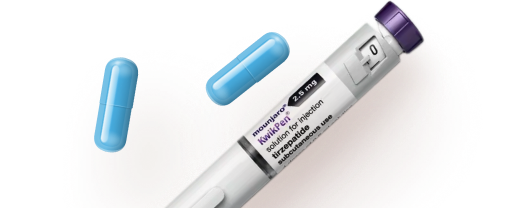
The "golden dose" refers to the small amount of liquid that remains visible in a Mounjaro KwikPen after the fourth and final weekly injection has been administered. Some people, often motivated by cost concerns, have attempted to extract and inject this leftover liquid as an unofficial fifth dose.
This is not safe, and here’s why. The pen is designed to deliver a fixed number of preset doses, and only these doses are quality-assured. The KwikPen contains a sufficient amount of medicine to ensure correct use, including priming before injection, and to deliver a total of four doses. The residual liquid is not a measured or quality-assured dose.
The leftover liquid is an unmeasured manufacturing buffer. Using it can lead to inaccurate dosing and severe side effects. Attempting to break the pen or insert an insulin syringe to extract the liquid can introduce plastic or glass shards into the medication, causing serious injury. A Mounjaro KwikPen is only sterile for 30 days after its first use; using it beyond this risks bacterial contamination.
A modified KwikPen is expected to appear in the UK from April 2026 to reduce leftover medicine and make it clearer when the final dose has been given.
The message from Eli Lilly, the MHRA, and every regulated UK prescriber is consistent: dispose of the pen in a sharps bin after the fourth dose, even if liquid remains. If cost is a concern, speak to your prescriber about whether your current dose or provider is the most cost-effective option.
Who should not take Mounjaro
Mounjaro must not be used by people who:
Mounjaro should be used with caution and only after careful discussion with a prescriber in people with a history of pancreatitis, inflammatory bowel disease, gastroparesis (delayed stomach emptying from a pre-existing condition), severe kidney or liver impairment, or diabetic retinopathy requiring close monitoring.
Reporting side effects: the Yellow Card scheme
The MHRA Yellow Card scheme is the UK's system for reporting suspected side effects from medicines. Reporting is encouraged from both patients and healthcare professionals, even if you are not certain the side effect is caused by the medication.
The MHRA is also running a Yellow Card Biobank in collaboration with Genomics England, recruiting participants taking GLP-1 medicines to investigate whether the risk of acute pancreatitis may be influenced by an individual's genes. The aim is to help predict those most at risk of adverse reactions and ultimately enable safer, more personalised prescribing.
To report a side effect:
Final thoughts
Mounjaro is a clinically proven, MHRA-authorised treatment that, for most suitable patients under proper medical supervision, offers significant health benefits. The January 2026 pancreatitis update is an important reminder to stay informed and vigilant, but it does not change the fundamental benefit-risk assessment for the vast majority of people who are appropriately prescribed and monitored.
The key to safe treatment is straightforward: use a GPhC-registered provider, ensure a thorough medical assessment before starting, know the warning signs that require urgent action, and keep your prescriber informed throughout. Mounjaro is not a medicine to self-manage, cut corners with, or source from unregulated sellers. Used correctly, with the right clinical support, it is one of the most effective tools currently available for weight management and type 2 diabetes in the UK.
FAQ
Is Mounjaro safe?
For most people who meet the eligibility criteria and are assessed and supervised by a UK-registered prescriber, yes. The MHRA has confirmed that benefits outweigh risks for licensed indications. As with all medicines, there are risks, and a proper medical assessment before starting is essential.
Is Mounjaro safe for weight loss?
Yes, for eligible adults assessed by a UK-registered prescriber. Mounjaro is MHRA-authorised for weight management and its safety has been established across the SURMOUNT clinical trial programme in non-diabetic adults with obesity or overweight.
Is Mounjaro safe long term?
The available evidence, extending to approximately three years, shows a consistent safety profile. Long-term monitoring continues via the MHRA's Black Triangle surveillance and post-marketing data from Eli Lilly. For most people, the health risks of untreated obesity are considerably greater than the risks of supervised treatment.
Is it safe to use the golden dose of Mounjaro?
No. The leftover liquid in the KwikPen after the fourth dose is not a measured, quality-assured dose. Using it carries risks of inaccurate dosing, contamination, and bacterial infection. Always dispose of the pen after the fourth injection.
Is Mounjaro safe while breastfeeding?
No. It is unknown whether tirzepatide passes into breast milk, and a risk to nursing infants cannot be excluded. Mounjaro must not be used while breastfeeding.
Is Mounjaro safe in pregnancy?
No. Mounjaro is contraindicated in pregnancy. Stop treatment at least one month before a planned pregnancy, and stop immediately if you discover you are pregnant. Contact your GP and antenatal team straight away.
Is Mounjaro safe with high blood pressure?
For most people, yes, and weight loss may actively improve blood pressure. However, a medical assessment is required, and anyone with existing cardiovascular conditions should discuss the specific risks and benefits with their prescriber before starting.
Is Mounjaro safe with no gallbladder?
Having no gallbladder is not an automatic contraindication. Discuss your individual history with your prescriber, who will take your full medical background into account.
What are the signs of pancreatitis I should watch for?
Severe, persistent abdominal pain that may radiate to the back, accompanied by nausea and vomiting. If you experience these symptoms, stop taking Mounjaro and seek urgent medical help immediately (999 or A&E).
The DoktorABC medical advisory board

Dr. Roland Ruiken
Medical advisor, Norway

Dr. Viktor Simunovic
Medical advisor, Croatia