










9 kg in 6 months

Month 0
Month 6
I used to have constant cravings. Now I feel full faster and overall much more comfortable in my body.

Why DoktorABC?

UK licensed and regulated pharmacy services

Speak to a UK-registered prescriber today - no appointment required

Discreet delivery in 2-3 business days

Your data is safe

Transparent pricing and no hidden fees

1M+ customers worldwide

4M orders worldwide

Over 8+ Years of trust



We're here to help. Our team is available Monday to Friday, 9:00 AM–6:00 PM.
Lencya 30mg 12 Pills (medical fee)Pills
Package: 60 st

Up to 20% weight loss in clinical trials*
Based on separate long-term clinical trials.

Free & discreet delivery in 1-3 business days
From consultation to delivery, your privacy is protected at every step.

Genuine, regulated medication
All treatments are MHRA-regulated and dispensed by GPhC-registered pharmacies.

No subscription required
Order treatment on-demand, with no monthly plan or ongoing commitment.
from £176.90


from £176.90
Up to 20% weight loss in clinical trials*
Based on separate long-term clinical trials.
Free & discreet delivery in 1-3 business days
From consultation to delivery, your privacy is protected at every step.
Genuine, regulated medication
All treatments are MHRA-regulated and dispensed by GPhC-registered pharmacies.
No subscription required
Order treatment on-demand, with no monthly plan or ongoing commitment.
Available dosages
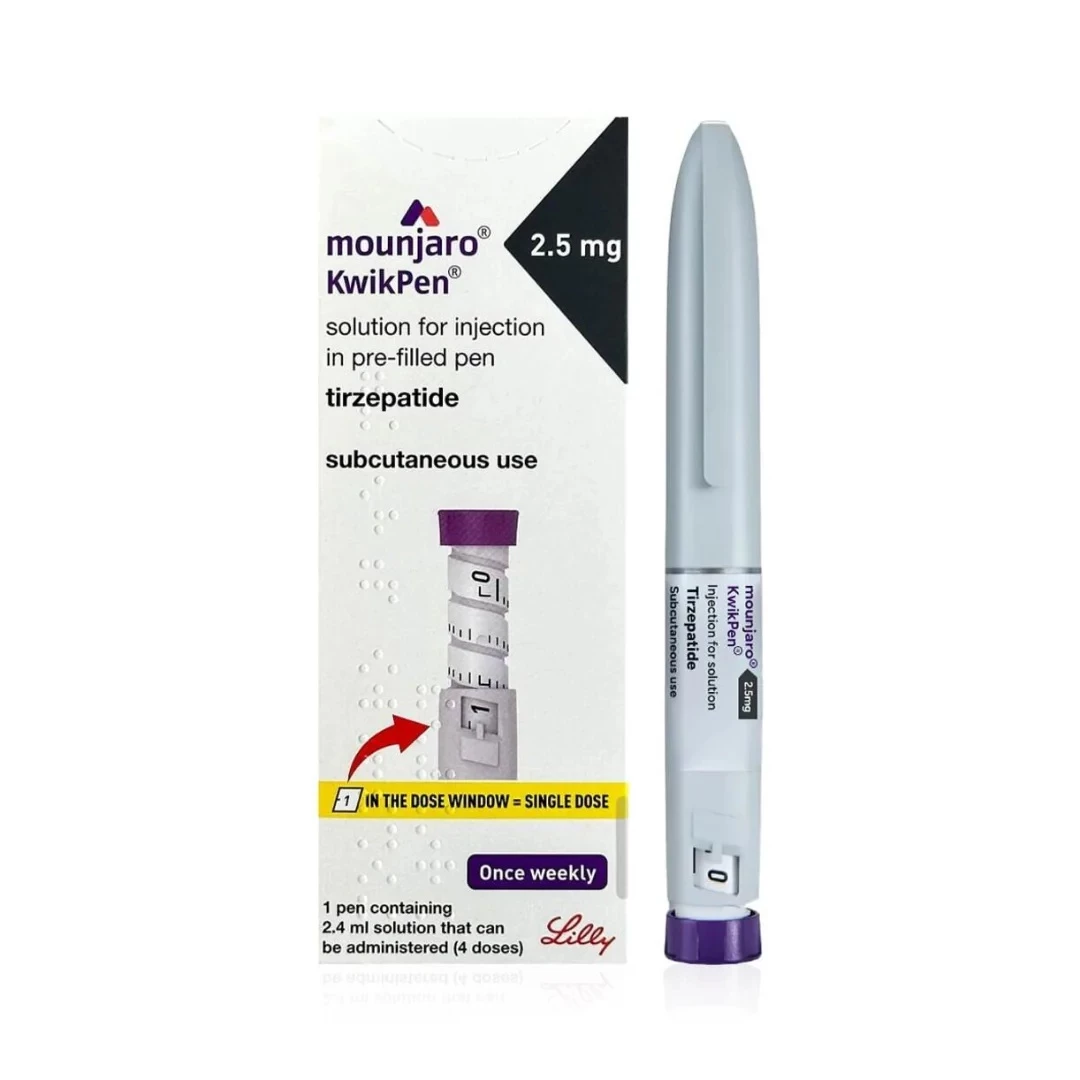
Mounjaro contains Tirzepatide, a clinically proven once-weekly weight loss injection that works in two ways, by reducing appetite and helping you feel fuller after meals, while also supporting your body's ability to regulate blood sugar. This dual action makes Mounjaro one of the most effective prescription weight loss treatments currently available. Administered as a once-weekly injection using a pre-filled KwikPen, treatment begins at a lower dose and is gradually increased over time until the most effective dose for you is reached. Mounjaro is available in six dose strengths: 2.5mg, 5mg, 7.5mg, 10mg, 12.5mg and 15mg. Your UK-registered prescriber will guide you through each stage of your treatment.
Start a consultation for Weight Loss treatment and fill in a simple health questionnaire. Then choose your preferred medication from the list of recommended treatment options or keep the default recommended treatment. The prescriber will review your information and if suitable issue your prescription online. The pharmacy will then send you your medication with free next day delivery.
Please note: Decisions about treatment are for both the prescriber and the person to jointly consider during the consultation. However, the final decision will always be the prescriber’s.
Mounjaro® is a prescription-only medicine from Eli Lilly, used in adults for weight management, alongside dietary changes and increased physical activity.
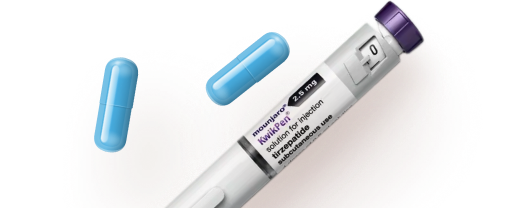
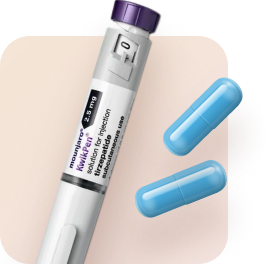
Mounjaro is supplied as a pre-filled pen (KwikPen) and administered once a week, rotating the injection site each time. Pens are available in 2.5 mg, 5 mg, 7.5 mg 10 mg, 12.5 mg, and 15 mg. . single-use needles are provided with each pre-filled pen.
Start the online consultation and complete the medical questionnaire. A UK-registered prescriber will review your answers and, where appropriate, issue a prescription for Mounjaro.
Important information. DoktorABC UK is a digital health platform that connects patients with independent, UK-registered prescribers . DoktorABC UK does not itself provide medical care, issue prescriptions, or dispense medicines. All clinical decisions are made by the UK-registered prescriber following an individual medical assessment.
Mounjaro® is a prescription-only medicine whose active ingredient, tirzepatide, is authorised for the treatment of type 2 diabetes and may also be considered for weight management in adults, where clinically appropriate.. It is supplied as a pre-filled injection pen.
Tirzepatide acts on pathways involved in regulating blood glucose levels and appetite control. Clinical studies have evaluated the effects of weight loss in adults who are overweight or obese, and particularly those with weight-related health conditions. Whether it is appropriate will depend on your BMI and personal health profile.
For effective weight reduction, Mounjaro® must be used alongside a healthy diet and increased physical activity.
Tirzepatide was originally developed for the treatment of type 2 diabetes. Research has shown that it also affects appetite regulation and energy intake, making it relevant to weight-management.
It works by regulating blood glucose levels and by acting on hormone receptors involved in metabolic regulation, influencing feelings of fullness and reducing calorie intake. Whether it is suitable for you will depend on individual health factors and determined by a UK-registered prescriber.
Mounjaro® may be considered for weight management in adults following a thorough medical assessment. TIt may be appropriate for:
Treatment must be combined with dietary changes and increased physical activity, and is not suitable for everyone. A full medical assessment is required before prescribing.
Mounjaro® is started at a dose of 2.5 mg, once weekly. If needed, it can be increased to once every four weeks and up to a maximum of 15mg per week. Your UK-registered prescriber will guide you through any changes in dose.
Mounjaro® acts on two naturally occurring hormones that are released after eating and are involved in glucose metabolism and appetite regulation.
The first,(GLP-1; glucagon-like peptide-1) supports insulin release when blood glucose is elevated, reduces glucagon secretion and contributes to feelings of fullness by slowing digestion.
The second, (GIP: glucose-dependent insulinotropic polypeptide) also supports insulin secretion and plays a role in energy balance.
By acting on both pathways simultaneously, tirzepatide influences glucose regulation and appetite control. The degree of effect varies between individuals.
Clinical evidence
In clinical studies, adults who are overweight or obese and were treated with tirzepatide alongside lifestyle changes experienced average weight loss ranging from approximately 15% to 22% over 72 weeks, depending on the dose used, compared with placebo. Individual results vary and cannot be guaranteed.
Mounjaro® can be injected once weekly at any time of day, regardless of meals. It is recommended to administer the medicine at the same time and on the same day of the week to establish a routine.
The dosage follows the schedule in the section above (What dosages are available). Any dose changes should always be made in consultation with a UK-registered prescriber.
Always remember to replace the needle for each use.
The medicine is givenas a subcutaneous injection, meaning under the skin. Suitable injection sites include:
Injection sites should be rotated to avoid skin irritation. The medicine should not be injected into a vein or muscle. Full instructions for self-injections are included in the patient information leaflet supplied with your medication and should be read carefully before use.
Changes in your dose should always be made in consultation with a UK-registered prescriber. Do not adjust the dose on your own. It is important to follow the recommended schedule to ensure Mounjaro® is used safely and effectively.
If you think you may have taken too much, seek medical advice or go to your nearest A&E without delay.
Mounjaro® is most effective when combined with lifestyle changes. A balanced diet and regular physical activity are central to weight management, and your UK-registered prescriber or dietician can help you develop a plan that’s right for you.
Maintaining these habits throughout your treatment supports the best long-term outcomes.
Mounjaro® should not be used if:
Before starting treatment, make sure to give your UK-registered prescriber a full medical history, allergies, and any medicines you are currently taking.
As with all medicines, Mounjaro® can cause side effects, although not everyone will experience them.
If you notice any side effects, please inform your UK-registered prescriber.
Reporting side effects
Suspected side effects can also be reported to the MHRA via the Yellow Card scheme.
Eli Lilly Nederland B.V.
Papendorpseweg 83
3528 BJ Utrecht
Netherlands
Eli Lilly Italia S.p.A.
Via Gramsci 731/733
50019
Sesto Fiorentino
Florence (FI)
Italy
How can I calculate my BMI?

What results have been observed in clinical studies?
How long should I take Mounjaro®?
Can I stop using Mounjaro® on my own?
What if I forget a dose?
What alternatives are there to Mounjaro®?
Our platform is fully GDPR-compliant, because when it comes to your health, privacy is not optional.






Top ratings
best guarantee
Choose your treatment and answer a short, confidential health questionnaire. It only takes a few minutes.

A qualified prescriber assesses your answers and, if appropriate, issues your prescription the same day.

Your medication is dispatched by our regulated UK pharmacy and arrives in discreet packaging within 2-3 business days.