
















Mounjaro side effects: A complete, evidence-based guide for UK patients

- Mounjaro (tirzepatide) carries a range of side effects, most of which are mild and short-lived, while some require prompt medical attention.
- This guide takes you through which side effects are common and manageable.
- It details which side effects are rare but serious.
- You’ll learn exactly when to seek medical help.
- By the end, you will understand relevant patient information and have a balanced, comprehensive picture of what to expect as a UK patient.
- What is Mounjaro (Tirzepatide) and why is it prescribed in the UK?
- Mounjaro side effects by frequency: Official MHRA Categories
- Gastrointestinal side effects: What causes them and how long do they last?
- Injection-site reactions: What to expect and how to prevent them
- Hair loss, 'Mounjaro face', and other appearance-related changes
- How long do Mounjaro side effects last?
- Serious and long-term risks: What the evidence shows
- Side effects in people using Mounjaro for weight loss (Without Type 2 diabetes)
- Mounjaro vs Wegovy side effects
- Real-world patient experiences
- Practical management strategies for Mounjaro side effects
- When to seek urgent medical help and how to report side effects
- Final thoughts
What is Mounjaro (Tirzepatide) and why is it prescribed in the UK?
Mounjaro contains tirzepatide, a dual glucose-dependent insulinotropic polypeptide (GIP) and glucagon-like peptide-1 (GLP-1) receptor agonist. This dual-action mechanism distinguishes it from single GLP-1 agonists such as semaglutide (Ozempic, Wegovy) and liraglutide (Saxenda, Victoza).
In the UK, Mounjaro is currently approved for:
- Type 2 diabetes mellitus: As an add-on to diet and exercise, with or without other anti-diabetic medicines, to improve blood sugar control.
- Weight management (obesity/overweight): In adults with a BMI over 30 kg/m², or over 27 kg/m² with at least one weight-related health condition such as hypertension, dyslipidaemia, or obstructive sleep apnoea.
Mounjaro is available via private prescription from registered clinics, or through NHS specialist tier 3/4 weight management services, though it is not yet routinely available via standard NHS GP prescription for weight loss.
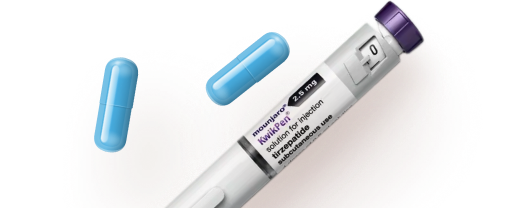
Mounjaro is self-injected once weekly, starting at 2.5 mg and increasing every four weeks to 5 mg, 7.5 mg, 10 mg, 12.5 mg, and up to 15 mg as tolerated. This dosing schedule is central to understanding when and why side effects occur.
Mounjaro side effects by frequency: Official MHRA Categories
The MHRA patient information leaflet categorises side effects as follows:
| Frequency | Probability | Symptoms |
|---|---|---|
| Very common | Affects more than 1 in 10 people | Nausea, diarrhoea, vomiting, constipation, decreased appetite, injection-site reactions, burping, indigestion |
| Common | Affects 1–10 in 100 people | Dizziness, fatigue, hair loss, abdominal pain, stomach discomfort after eating, hypoglycaemia (in T2D with insulin/sulphonylurea) |
| Uncommon | Affects 1–10 in 1,000 people | Gallbladder disorders, tachycardia (raised heart rate), GERD (acid reflux requiring treatment) |
| Rare | Affects less than 1 in 1,000 people | Acute pancreatitis, severe allergic reactions (anaphylaxis, angioedema) |
| Unknown frequency | Cannot be estimated from available data | Thyroid C-cell tumours (animal studies only; not confirmed in humans) |
Source: Mounjaro (tirzepatide) Summary of Product Characteristics (SmPC), Eli Lilly and Company Ltd, as approved by the MHRA. Always refer to the current Patient Information Leaflet (PIL) at medicines.org.uk for the most up-to-date information.
Gastrointestinal side effects: What causes them and how long do they last?
GLP-1 and GIP hormones naturally slow gastric emptying, the rate at which food moves from the stomach into the small intestine. This is part of what makes you feel fuller for longer, but it also means food can sit in the stomach longer than usual, triggering nausea, indigestion, and a heavy sensation after meals.
Good to know
Gastrointestinal (GI) effects are the most frequently reported side effects of Mounjaro, particularly during the first few weeks of treatment and after each dose increase.
Nausea
Nausea is the most commonly reported side effect, affecting more than 1 in 10 people. It is most pronounced on the day of or after your injection, during the first 2–4 weeks at any new dose, and after large, fatty, or spicy meals. In the SURMOUNT-1 trial, nausea was reported in approximately 24–33% of participants across the 5–15 mg dose groups, with most episodes mild to moderate. It typically resolves within 4–8 weeks of stabilising on a dose.
Vomiting
Vomiting is more common with Mounjaro than with Wegovy at comparable doses. It follows the same pattern as nausea, peaking at dose initiation or increases, and usually reduces as the body adjusts. If vomiting is persistent or causes dehydration, contact your prescriber. It may be advisable to delay the next dose increase or temporarily reduce the dose.
Diarrhoea and Constipation
Diarrhoea is more common in the early titration phase; whereas constipation tends to emerge at higher doses. Staying well hydrated (1.5–2 litres daily), maintaining adequate fibre intake, and keeping active can help manage both.
Indigestion, Burping, and Stomach Pain After Eating
Indigestion and excessive burping are very commonly reported, more so than with semaglutide, and are directly linked to delayed gastric emptying. Stomach discomfort after eating is classified as common. To minimise this you can:
- Eat smaller, more frequent meals rather than three large ones.
- Chew food slowly and thoroughly.
- Avoid lying down for at least 2 hours after eating.
- Reduce carbonated drinks, which worsen bloating and burping.
- Eat low-fat, easily digestible foods, especially in the first weeks at each new dose.
Injection-site reactions: What to expect and how to prevent them
Injection-site reactions (redness, swelling, bruising, or mild pain) are classified as very common but are usually mild and resolve within a few days. Severe or persistent reactions should be reported to your prescriber and via the MHRA Yellow Card scheme.
Practical injection tips
- Rotate sites every week. The abdomen, outer thigh, and upper arm are all suitable.
- Pinch the skin lightly before injecting if you have less subcutaneous fat.
- Allow the pen to reach room temperature (15–30 minutes out of the fridge). Cold injections are more uncomfortable.
- Keep the pen pressed against the skin for at least 10 seconds after the click to ensure full dose delivery.
- Do not rub the injection site afterwards, as this can increase local irritation.
- Avoid areas of hardened tissue, scars, bruises, or broken skin.
Hair loss, "Mounjaro face", and other appearance-related changes
Alongside the previously discussed gastrointestinal side effects, some people on Mounjaro notice changes to their appearance as weight loss progresses. Most of these are a consequence of losing weight rapidly rather than a direct effect of the medication itself, and the majority resolve with time.
Hair Loss (Alopecia / Telogen Effluvium)
Hair loss is classified as common (1–10 in 100 people). In most cases, it is not a direct effect of tirzepatide but a physiological response to rapid weight loss known as telogen effluvium, where metabolic stress causes hair follicles to shift into the resting phase, leading to increased shedding typically 2–4 months after the trigger.
- Shedding is usually diffuse rather than patchy.
- It typically peaks at 3–6 months and resolves within 6–12 months as weight loss slows.
- Adequate protein intake (1.2–1.6 g per kg of body weight daily) is the most important dietary intervention.
- Consult a GP or dermatologist if hair loss is patchy, severe, or associated with scalp changes.
'Mounjaro face' and facial sagging
'Mounjaro face' describes facial changes from rapid fat loss: a gaunt or hollow appearance, skin laxity around the jawline and cheeks, and a 'tired' look. This is a consequence of subcutaneous fat loss rather than a drug effect, skin may not contract as quickly as the fat disappears. A more gradual rate of weight loss can help mitigate this.
Other body composition changes
Rapid weight loss can reduce muscle mass if caloric intake is restricted without adequate protein and resistance exercise. A structured programme combining resistance and cardiovascular training is strongly recommended throughout treatment.
How long do Mounjaro side effects last?
Most patients report mild nausea, reduced appetite, and sometimes light-headedness after the first 2.5 mg injection. These typically subside within 2–3 days. Side effects often resurface at each dose increase and generally resolve within 2–4 weeks at the new dose. If they don't, speak to your prescriber about extending the time at the current dose before increasing further.
After a missed dose:
- If within 4 days (96 hours) of your usual injection day, administer it as soon as you remember.
- If more than 4 days have passed, skip it and resume your next scheduled dose.
- Never take two doses in the same week.
Good to know
Restarting after a prolonged gap may bring GI side effects back temporarily; some prescribers recommend reverting to a lower dose after a long break.
Serious and long-term risks: What the evidence shows
While the majority of people taking Mounjaro experience only mild, manageable side effects, a small number of more serious complications have been identified in clinical trials and post-marketing surveillance. These are rare, but it is important to know what to look out for so you can act quickly if needed.
Acute pancreatitis
Rare (less than 1 in 1,000), but serious. Seek urgent medical help for severe, persistent abdominal pain radiating to the back, especially with nausea, vomiting, or fever. Mounjaro should be stopped immediately and not restarted after a confirmed episode. Those with a personal or family history of pancreatitis should discuss the risk–benefit balance with their prescriber before starting.
Gallbladder problems (Gallstones and Cholecystitis)
Rapid weight loss increases the risk of gallstones regardless of method. Classified as uncommon with Mounjaro. Symptoms include right-sided abdominal pain after fatty meals, nausea, or jaundice. If you experience any of these, they should be reported to your GP promptly.
Kidney and urinary issues
Dehydration from vomiting or diarrhoea can impair kidney function, particularly in those with pre-existing kidney disease. Acute kidney injury has appeared in post-marketing data as a consequence of dehydration, not as a direct drug effect. Maintain adequate hydration and seek help if you experience dark urine, dizziness, or significantly reduced urination.
Thyroid concerns: Animal data, human evidence, and contraindications
Tirzepatide caused thyroid C-cell tumours in rodent studies, but no causal link has been established in humans (as of the most recent MHRA review). Rodents have a higher density of GLP-1 receptors in thyroid C-cells than humans, making direct extrapolation uncertain. Post-marketing surveillance is ongoing.
Warning!
Mounjaro is contraindicated in people with a personal or family history of medullary thyroid carcinoma (MTC) or Multiple Endocrine Neoplasia type 2 (MEN 2). Report any neck lump, persistent hoarseness, or difficulty swallowing to your GP promptly.
Eye effects
Emerging data suggest rapid blood sugar improvements may temporarily worsen diabetic retinopathy in some patients — a pattern also seen with other intensive glucose-lowering treatments. This has not been prominently reported in non-diabetic users. Patients with existing diabetic eye disease should maintain regular ophthalmology follow-up.
Mental health and suicidal ideation
A 2024 EMA review concluded that available evidence does not confirm a causal link between GLP-1 medicines and suicidal or self-harm thoughts, though monitoring continues.
Warning!
If you experience significant mood changes or thoughts of self-harm, contact a healthcare professional promptly. In an emergency, call 999 or the Samaritans on 116 123.
Side effects in people using Mounjaro for weight loss (Without Type 2 diabetes)
The side effect profile is broadly similar in non-diabetic users, with some important distinctions:
- Hypoglycaemia is significantly less common, as Mounjaro's insulin-stimulating effect is glucose-dependent, though it can still occur if meals are skipped.
- Muscle loss is a greater concern without the metabolic benefit of improved insulin sensitivity; adequate protein and resistance exercise are essential.
- Weight regain: SURMOUNT-4 data showed participants who stopped tirzepatide regained approximately two-thirds of lost weight within one year.
- Nutritional deficiencies: Reduced caloric intake can cause deficiencies in B12, iron, folate, and vitamin D. Periodic blood tests are advisable.
Mounjaro vs Wegovy side effects
Both Mounjaro (tirzepatide) and Wegovy (semaglutide 2.4 mg) share many side effects as a result of their GLP-1 receptor agonism. The table below outlines the key similarities and differences.
| Side effect | Mounjaro (tirzepatide) | Wegovy (semaglutide) | Key difference |
|---|---|---|---|
| Nausea | Very common (more than 1 in 10) | Very common (more than 1 in 10) | Similar frequency; may be more intense early with Mounjaro |
| Vomiting | Very common | Common | More frequently reported with Mounjaro |
| Diarrhoea | Very common | Very common | Similar in both; tends to ease after 4–8 weeks |
| Constipation | Very common | Very common | Similar profile |
| Injection-site reactions | Very common | Very common | Both comparable; rotate sites to minimise |
| Decreased appetite | Very common | Very common | Core mechanism of both; similar intensity |
| Burping / reflux | Very common | Common | Reported more frequently with Mounjaro |
| Fatigue | Common | Common | Similar in both |
| Dizziness | Common | Common | Similar; mainly at dose increases |
| Hair loss (alopecia) | Common | Common | Linked to rapid weight loss in both; not a direct drug effect |
| Pancreatitis (rare) | Rare (less than 1 in 1,000) | Rare (less than 1 in 1,000) | Class-wide risk; seek urgent help with severe abdominal pain |
| Thyroid concerns | Contraindicated: MTC/MEN2 (animal data only) | Contraindicated: MTC/MEN2 (animal data only) | Both carry same warning; no confirmed human cases to date |
| Gallbladder issues | Uncommon | Uncommon | Weight-loss related; similar risk in both |
SURMOUNT-5 (2024) suggests Mounjaro produces greater average weight loss than Wegovy, but does not show a clinically meaningful difference in tolerability at comparable titration schedules.
Real-world patient experiences
Clinical trial data only tells part of the story. Here is what patients commonly report in practice, balanced against what the evidence shows.
Positive Experiences
- Marked reduction in appetite and 'food noise'.
- Meaningful weight loss within the first 4–8 weeks.
- Improved energy and mobility once the initial GI adjustment period passes
- Better blood sugar control (for those with T2D).
Commonly reported challenges
- Nausea and fatigue in the days after each injection, especially at lower starting doses.
- Difficulty eating enough protein when appetite suppression is at its strongest.
- Hair thinning around months 3–4, causing anxiety for some.
- Facial changes prompting concern, despite significant improvements in clinical health markers.
- Injection-site discomfort, though most patients adapt quickly.
Clinical trial data from SURMOUNT-1, -2, and -3 showed discontinuation due to adverse events in approximately 4–8% of participants, with GI events as the primary reason. The large majority completed the trials and experienced substantial benefits.
Practical management strategies for Mounjaro side effects
Most Mounjaro side effects are manageable with straightforward adjustments to diet, hydration, and lifestyle. The strategies below are drawn from clinical guidance and real-world patient experience, but if symptoms persist or significantly affect your daily life, always speak to your prescriber.
Dietary advice
- Eat 4–5 smaller meals per day rather than 3 large ones.
- Prioritise protein at every meal (aim for 25–35 g per meal).
- Reduce high-fat, spicy, and heavily processed foods, especially in the early weeks.
- Introduce fibre gradually; prioritise soluble sources (oats, lentils, bananas).
- Eat slowly and stop at the first sign of fullness.
Hydration
- Aim for 1.5–2 litres of fluid daily, prioritising water.
- Use oral rehydration solutions if vomiting or diarrhoea are significant.
- Limit alcohol, which worsens nausea and dehydration.
Over-the-counter remedies
- Nausea: Antihistamine-based antiemetics (e.g., promethazine); ginger tea or capsules for mild symptoms.
- Indigestion / heartburn: Antacids (e.g., Gaviscon, Rennie) or low-dose omeprazole 20 mg (available OTC).
- Constipation: Osmotic laxatives such as macrogol (e.g., Movicol) are first-line.
- Diarrhoea: Loperamide (e.g., Imodium) for acute episodes, only if no blood in stool and you are not chronically unwell.
Lifestyle adjustments
- Avoid strenuous exercise on injection day. Fatigue and nausea are common.
- Keep a symptom diary to identify personal triggers and share patterns with your prescriber.
- Discuss slower titration if side effects are difficult to manage. There is no benefit to rushing dose increases.
When to seek urgent medical help and how to report side effects
Most people taking Mounjaro will not experience anything more serious than manageable gastrointestinal discomfort. However, it is important to know the warning signs that require prompt action, and how to report any suspected side effects to the appropriate authorities.
Call 999 or go to A&E for:
- Severe, persistent abdominal pain (possible pancreatitis).
- Signs of anaphylaxis: swelling of face, lips, tongue, or throat; difficulty breathing; severe rash.
- Serious dehydration: extreme dizziness, very dark urine, confusion, inability to keep fluids down.
- Chest pain or rapid/irregular heartbeat.
Contact Your GP or prescriber promptly for:
- Persistent vomiting or diarrhoea lasting more than 48 hours.
- A lump or swelling in the neck.
- Significant mood changes or thoughts of self-harm.
- Visual changes or eye problems.
- Right-sided abdominal pain (possible gallbladder issue).
- Any side effect significantly affecting daily life.
Warning!
Do not stop taking Mounjaro suddenly without speaking to your prescriber first. Stopping abruptly can lead to a rise in blood sugar levels (in people with type 2 diabetes), and rapid weight gain. If you are experiencing side effects that are making you consider stopping, contact your prescriber who can help adjust your dose safely.
Reporting via the MHRA Yellow Card scheme
Report suspected side effects, even if you are unsure they are drug-related, at yellowcard.mhra.gov.uk, via the Yellow Card app, or by asking your prescriber to report on your behalf.
Contraindications
Mounjaro must not be used if you have:
- A personal or family history of MTC or MEN 2.
- A known allergy to tirzepatide or any PIL excipients.
- Pregnancy or breastfeeding (effective contraception advised during treatment and for at least one month after the last dose).
Use with caution if you have inflammatory bowel disease, gastroparesis, severe kidney or liver impairment, or a history of pancreatitis. A full medication review with your prescriber is essential before starting.
Final thoughts
Mounjaro is a highly effective treatment, but like any medicine, can cause side effects, the majority of which are temporary, manageable, and improve as your body adjusts to the dose. The serious risks are rare, and knowing what to watch for means you can act quickly if something does not feel right.
At DoktorABC we are happy to advise you if you have any questions about Mounjaro. If you experience a side effect that is not covered here, do not hesitate to report it via the MHRA Yellow Card scheme.
FAQ
Does Mounjaro cause cancer?
Tirzepatide caused thyroid C-cell tumours in rodent studies, but no causal link has been established in humans. The medicine is contraindicated in those with a personal or family history of medullary thyroid cancer or MEN 2, and global post-marketing surveillance is ongoing.
What are Mounjaro side effects according to the NHS?
The NHS references MHRA-approved prescribing information, classifying nausea, diarrhoea, vomiting, constipation, decreased appetite, injection-site reactions, burping, and indigestion as very common. Further information is available at nhs.uk.
What are Mounjaro side effects after eating?
Stomach discomfort, nausea, burping, and reflux are commonly experienced after eating, particularly with larger or richer meals, due to slowed gastric emptying. Eating smaller, slower meals and avoiding high-fat or spicy food significantly reduces these symptoms.
How long do Mounjaro side effects last?
Most GI side effects resolve within 2–4 weeks at a stable dose, though they typically recur with each increase. Hair loss, if it occurs, usually begins at 2–4 months and resolves within 6–12 months
Are Mounjaro side effects worse than Wegovy?
Vomiting and burping are slightly more frequently reported with Mounjaro. Overall, both medicines have broadly similar tolerability profiles and neither is clearly better tolerated across all measures.
What Mounjaro side effects require stopping treatment?
Stop and seek medical attention for suspected pancreatitis, serious allergic reaction, or significant dehydration. Your prescriber may also advise stopping if side effects persist and severely affect quality of life, or if a new contraindication emerges.
Can I take over-the-counter medicines for Mounjaro side effects?
Many OTC medicines are compatible with Mounjaro, but always check with your pharmacist first. Mounjaro's effect on gastric emptying can delay oral drug absorption, so timing of other medications may need adjustment.
Is hair loss on Mounjaro permanent?
No. Hair loss is almost always temporary telogen effluvium linked to rapid weight loss. Regrowth typically begins within 3–6 months of shedding slowing. Adequate protein intake and a GP review to rule out other causes are recommended.
The DoktorABC medical advisory board

Dr. Roland Ruiken
Medical advisor, Norway

Dr. Viktor Simunovic
Medical advisor, Croatia