













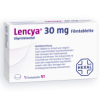
What is semaglutide and how does it work?

- What semaglutide is and how it differs across brand names
- How it affects appetite and food intake
- The difference between semaglutide injections and tablets
- Who may be eligible for treatment in the UK
- How it compares with tirzepatide and liraglutide
- What is semaglutide?
- How does semaglutide work?
- Semaglutide injection versus tablets
- Who may be eligible for semaglutide in the UK?
- Evidence and realistic expectations
- How long does semaglutide take to work?
- Side effects and safety
- Tirzepatide vs semaglutide
- Semaglutide vs liraglutide
- Final thoughts
What is semaglutide?
Semaglutide is the active ingredient, not a brand name. It is a GLP-1 receptor agonist, mimicking a gut hormone involved in appetite and blood sugar regulation. The same ingredient appears under three UK brand names for different licensed uses. Wegovy is licensed for weight management. Ozempic and Rybelsus also contain semaglutide but are licensed for type 2 diabetes, not weight loss, and should never be presented as interchangeable.
Good to know
Semaglutide, Wegovy, and Ozempic are the same active ingredient marketed under different names for different licensed uses. Only Wegovy and the Wegovy Pill are licensed for weight management.
How does semaglutide work?
Semaglutide acts on appetite centres in the brain to reduce hunger and cravings, increases fullness after smaller meals, and can slow early gastric emptying. It does not burn fat directly; its effect comes from supporting a sustained reduction in food intake, which is why it is licensed alongside a reduced-calorie diet and increased activity, not as a standalone treatment.
Semaglutide injection versus tablets
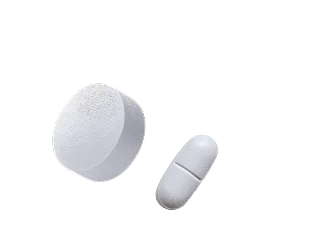
Two semaglutide formats are licensed for weight management, distinct from Rybelsus (oral semaglutide for diabetes).
| Wegovy injection | Wegovy tablets | |
|---|---|---|
| Frequency | Once a week | Once a day |
| Starting dose | 0.25 mg | 1.5 mg |
| Maintenance | 2.4 mg (up to 7.2 mg) | 25 mg |
| Escalation | ~16 weeks | Monthly steps |
| Administration | Any time | Empty stomach, same time daily |
| Storage | Refrigerated | Room temperature |
Warning!
Tablets and injections are not dose-for-dose substitutes. Switching formats should only happen under prescriber guidance. Verify current availability and pricing before starting treatment.
Who may be eligible for semaglutide in the UK?
Eligibility depends on the route. For a private prescription, the MHRA licence requires a BMI of 30 or above, or 27–29.9 with a weight-related condition, alongside diet and activity changes. NHS access is stricter: under NICE TA875, Wegovy is normally only available through specialist weight management services, for adults with a BMI of 35 or above with a comorbidity, or in some cases 30–34.9 if referred to a specialist service. Some ethnic groups qualify at lower thresholds. Meeting the private licence does not guarantee NHS funding, and local referral pathways vary.
Evidence and realistic expectations
In the STEP 1 trial, adults taking Wegovy injection 2.4 mg weekly for 68 weeks alongside lifestyle support lost an average of approximately 14.9% of body weight. In OASIS 4, adults taking the 25 mg tablet for 64 weeks lost approximately 13.6% on average, rising to around 16.6% among full adherers. These are trial averages, not guarantees, and results vary with starting weight, adherence, dose, and lifestyle support.
How long does semaglutide take to work?
Appetite effects can appear within the first few weeks. Measurable weight change typically takes longer, building over several months as the dose reaches maintenance, with the most substantial change usually seen between six and twelve months. Regular follow-up allows the plan to be adjusted based on response.
Side effects and safety
The most common side effects, for both pill and injection formats, are gastrointestinal: nausea, diarrhoea, constipation, vomiting, and abdominal discomfort, most pronounced during dose escalation. Less common but more serious risks include pancreatitis, gallbladder problems, and dehydration-related kidney issues. It is not suitable in pregnancy or breastfeeding, requires caution alongside diabetes medicines due to hypoglycaemia risk, and should be flagged ahead of any procedure involving anaesthesia.
Warning!
Seek prompt medical attention for severe abdominal pain, dehydration signs, or a severe allergic reaction. Report suspected side effects via the MHRA Yellow Card scheme. Counterfeit semaglutide circulates outside regulated supply chains; only source it through a GPhC-registered pharmacy following assessment by a licensed UK prescriber.
Tirzepatide vs semaglutide
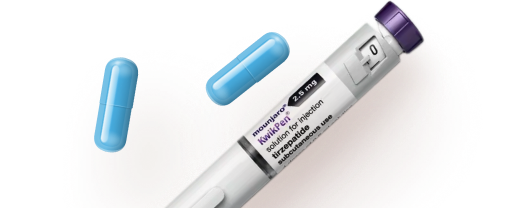
Tirzepatide (Mounjaro) is a dual GIP/GLP-1 agonist, acting on two hormone pathways rather than one. In the head-to-head SURMOUNT-5 trial over 72 weeks, average weight loss was approximately 20.2% with tirzepatide versus 13.7% with semaglutide. Both are weekly injections with similar side effects. Tirzepatide produced greater average results, but tolerability and individual response mean neither is universally "best."
Semaglutide vs liraglutide
Liraglutide (Saxenda, now also generic) is an older GLP-1 agonist requiring a daily injection rather than weekly. In the STEP 8 trial over 68 weeks, average weight loss was approximately 15.8% with semaglutide versus 6.4% with liraglutide. The choice depends on tolerability and clinical assessment.
Final thoughts
Semaglutide is a well-evidenced GLP-1 receptor agonist licensed for weight management as Wegovy, available as both an injection and a tablet. It is not the same product as Ozempic or Rybelsus, which are licensed for diabetes, despite sharing the same active ingredient. Results vary between individuals and treatment requires ongoing clinical supervision.
DoktorABC connects UK patients with licensed prescribers who can assess suitability for semaglutide and issue private prescriptions through GPhC-registered pharmacies where appropriate.
FAQ
Is semaglutide the same as Wegovy or Ozempic?
Semaglutide is the ingredient. Wegovy is licensed for weight management; Ozempic is licensed only for type 2 diabetes.
Are semaglutide tablets available for weight loss?
Yes, Wegovy tablets are licensed alongside the injection. Rybelsus is a separate diabetes-only product.
Is semaglutide an injection?
It can be either an injection or a tablet, both licensed as Wegovy.
How does it reduce appetite?
By mimicking GLP-1, acting on brain appetite centres and increasing fullness.
How long does it take to work?
Appetite effects may appear within weeks; measurable weight loss builds over several months.
Can it be used with another GLP-1 medicine?
No, not without direct prescriber guidance.
The DoktorABC medical advisory board

Dr. Roland Ruiken
Medical advisor, Norway

Dr. Viktor Simunovic
Medical advisor, Croatia