









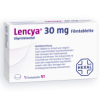


What is Gedarel?
Gedarel is a branded combined oral contraceptive pill manufactured by Gedeon Richter. It contains two active ingredients: ethinylestradiol and desogestrel. It is available in two variants:
- Gedarel 20 contains 20 micrograms of ethinylestradiol and 150 micrograms of desogestrel per tablet
- Gedarel 30 contains 30 micrograms of ethinylestradiol and 150 micrograms of desogestrel per tablet
Both variants are monophasic pills, meaning every active tablet in the pack contains the same dose of hormones. This makes the pill straightforward to take and means any tablet in the pack can be used if a dose is missed.
Gedarel 20 is generally considered suitable for women who prefer a lower oestrogen dose, including those who experience oestrogen-related side effects on higher-dose pills. Gedarel 30 contains a slightly higher oestrogen dose and may suit women who experience breakthrough bleeding on lower-dose formulations. Your prescriber will advise which variant is appropriate for you.
How does Gedarel work?
- Gedarel works through three complementary mechanisms that together make it highly effective at preventing pregnancy.
- Preventing ovulation. The primary mechanism is suppression of ovulation. The combined effect of ethinylestradiol and desogestrel signals to the pituitary gland to stop releasing the hormones (FSH and LH) that trigger egg release each month. Without ovulation, there is no egg available to be fertilised.
- Thickening cervical mucus. Desogestrel thickens the mucus at the entrance to the uterus, making it significantly harder for sperm to pass through and reach an egg.
- Thinning the uterine lining. The hormones also alter the lining of the uterus (endometrium), making it less receptive to implantation in the unlikely event that fertilisation were to occur.
The combination of these three effects makes Gedarel over 99% effective when taken correctly and consistently.
What are the benefits of using Gedarel?
Gedarel offers effective daily contraception alongside a range of additional benefits that make it a popular choice for many women.
Highly effective contraception. When taken correctly, Gedarel is over 99% effective at preventing pregnancy, making it one of the most reliable reversible contraceptive methods available.
Regulated, lighter periods. Many women on Gedarel experience shorter, lighter, and more predictable periods. This can be particularly beneficial for women with heavy or irregular cycles.
Reduced menstrual symptoms. Gedarel has a well-established reputation for alleviating period-related symptoms including cramping, bloating, and premenstrual syndrome (PMS).
Low oestrogen option available. The 20 mcg variant offers effective contraception with a lower oestrogen dose, which may be preferable for women who are sensitive to oestrogen or who have experienced side effects on higher-dose pills.
Reversibility. Fertility typically returns promptly after stopping Gedarel, usually within one to three cycles.
Non-invasive and discreet. Gedarel is a once-daily oral tablet with no procedures, implants, or injections required.
Who can use Gedarel?
Gedarel is suitable for women who want a reliable daily oral contraceptive and have no contraindications to combined hormonal contraception. A medical consultation is required before it can be prescribed.
Gedarel may be suitable for you if:
- You are a woman seeking effective oral contraception
- You have no personal or family history of blood clots
- You are a non-smoker, or a smoker under 35 (smoking significantly increases risk in women over 35 taking combined pills)
- You have no contraindications identified during your online consultation
Gedarel is not suitable if you:
- Are pregnant or think you may be pregnant
- Are breastfeeding a baby under six weeks old
- Smoke and are aged 35 or over
- Have a history of blood clots (deep vein thrombosis, pulmonary embolism, or stroke)
- Have a history of heart attack, angina, or severe cardiovascular disease
- Have migraines with aura
- Have uncontrolled high blood pressure
- Have or have had breast cancer or other oestrogen-sensitive cancers
- Have severe liver disease or a history of liver tumours
- Have diabetes with vascular complications
- Are taking certain medications that interact with combined contraceptives (see Precautions and interactions below)
Your prescriber will review your full medical history during your consultation to confirm whether Gedarel is appropriate for you.
How to take Gedarel
Each pack of Gedarel contains 21 active tablets. Take one tablet each day for 21 consecutive days, then have a seven-day break. During the pill-free week, a withdrawal bleed (similar to a period) will usually occur. Start your next pack after the seven-day break, whether or not the bleed has finished.
Starting Gedarel for the first time: If you start on day one of your period, you are protected immediately. If you start on any other day, use additional contraception (such as condoms) for the first seven days.
Switching from another pill: Your prescriber or pharmacist will advise on the exact timing. In most cases you can start Gedarel the day after finishing your previous pill pack without a break.
If you miss a tablet: Take it as soon as you remember. If it is less than 12 hours late, your contraceptive cover is maintained. If more than 12 hours have passed since the missed dose, take the tablet as soon as possible, continue the pack as normal, and use additional contraception for the next seven days. If you miss tablets in the first or last week of your pack, seek advice from your prescriber or pharmacist.
Vomiting or severe diarrhoea: If you vomit within three to four hours of taking a tablet, or experience severe diarrhoea, treat it as a missed pill and follow the guidance above.
Precautions and interactions
Blood clot risk. All combined oral contraceptives carry a small increased risk of blood clots. This risk is higher in women who smoke, are overweight, have reduced mobility, or have a personal or family history of clotting conditions. Inform your prescriber of all relevant risk factors.
Blood pressure. Combined pills can raise blood pressure in some women. Your prescriber will take this into account during consultation. If you develop persistent high blood pressure while taking Gedarel, seek medical advice.
Migraines. Women who experience migraines with aura should not take combined contraceptives, as this is associated with an increased risk of stroke. If you develop migraines with aura for the first time while taking Gedarel, stop taking it and seek medical advice promptly.
Liver conditions. Gedarel is metabolised by the liver and is not suitable for women with severe liver disease or a history of liver tumours.
Drug interactions. Several medications can reduce the effectiveness of Gedarel, including:
- Enzyme-inducing medicines such as rifampicin, carbamazepine, phenytoin, topiramate, and St John's Wort
- Some antiretroviral medicines used to treat HIV
- Some antifungal medications
If you are prescribed any new medication while taking Gedarel, inform the prescribing doctor that you are on the combined pill. Additional contraception may be required during and for a period after finishing any interacting medication.
Antibiotics. Unlike older guidance, current UK evidence does not support the routine use of additional contraception with most antibiotics. However, if illness causes vomiting or diarrhoea, follow the missed pill guidance above.
Pregnancy and breastfeeding. Gedarel must not be taken during pregnancy. It is not recommended for women breastfeeding a baby under six weeks old.
What are the side effects of Gedarel?
Like all prescription medicines, Gedarel can cause side effects, though not everyone experiences them. Many women find that any initial side effects settle within the first two to three months of use.
Common side effects (may affect up to 1 in 10 women):
- Nausea, particularly in the first few weeks
- Headache
- Breast tenderness or discomfort
- Mood changes, including low mood or mood swings
- Reduced libido
- Spotting or breakthrough bleeding, especially in the first few cycles
- Changes in vaginal discharge
Less common side effects:
- Contact lens intolerance (due to changes in corneal curvature)
- Skin changes including acne or, less commonly, chloasma (patches of darkened skin, particularly on the face)
- Weight changes
- Fluid retention
Serious side effects. Seek immediate medical attention if you experience:
- Sudden chest pain, shortness of breath, or coughing up blood (possible signs of a blood clot in the lung)
- Severe pain or swelling in one leg (possible sign of a blood clot in the leg)
- Sudden severe headache, vision disturbances, weakness, or difficulty speaking (possible signs of a stroke)
- Severe abdominal pain
- Signs of a severe allergic reaction, including swelling of the face, lips, or throat
Combined pills containing desogestrel, including Gedarel, are associated with a slightly higher risk of venous thromboembolism (VTE) compared to pills containing levonorgestrel. Your prescriber will discuss this with you as part of the consultation.
If any side effect concerns you, contact your prescriber or GP. Suspected side effects can also be reported to the MHRA via the Yellow Card scheme at yellowcard.mhra.gov.uk.
Leaflet info
The Patient Information Leaflet (PIL) is the leaflet included in the pack with a medicine. It is written for patients and gives information about taking or using a medicine. It is possible that the leaflet in your medicine pack may differ from the PDF-version from this website because it may have been updated since your medicine was packaged or the medicine is from another brand.