











- Treatment for bacterial vaginosis with clindamycin vaginal cream
- What is bacterial vaginosis?
- How clindamycin cream works
- How to use clindamycin vaginal cream
- Is clindamycin cream suitable for me?
- Important: effect on condoms and diaphragms
- Side effects
- Follow-up, recurrence and alternatives
- How to get clindamycin cream through DoktorABC
Treatment for bacterial vaginosis with clindamycin vaginal cream
Clindamycin 2% vaginal cream contains clindamycin phosphate equivalent to 20mg/g. It is available as the branded product Dalacin Cream 2%, and also as generic clindamycin phosphate vaginal cream, both containing the same active ingredient at the same strength and supplied with disposable applicators for intravaginal use. It is a prescription-only medicine licensed for the treatment of bacterial vaginosis (BV) in adult women.
Access clindamycin cream following an online medical consultation
Start the online consultation and complete the medical questionnaire. A UK-registered prescriber will review your answers and, where appropriate, approve a prescription for clindamycin vaginal cream.
Important information: DoktorABC UK is a digital health platform that connects patients with independent, UK-registered prescribers. DoktorABC UK does not itself provide medical care, issue prescriptions, or dispense medicines. All clinical decisions are made by the UK-registered prescriber following an individual medical assessment.
What is bacterial vaginosis?
BV is caused by an imbalance in the normal bacterial flora of the vagina, rather than a single infectious organism. It is one of the most common causes of abnormal vaginal discharge and is not classed as a sexually transmitted infection. The most recognised symptom is a thin, grey or white discharge with a fishy odour, though some women have no symptoms at all.
Because BV can look similar to thrush or certain STIs, a discharge that seems unusual isn't automatically BV. Examination and testing may not always be necessary if a previous episode responded to treatment and there's no reason to suspect an STI, but where symptoms are new, persistent, or there's any uncertainty, your prescriber may recommend an in-person examination or swab test rather than prescribing remotely.
How clindamycin cream works
Clindamycin belongs to the lincosamide class of antibiotics. Applied vaginally, it acts locally against the bacteria associated with BV, helping to restore a healthier bacterial balance. As with any antibiotic, it's important to complete the full course exactly as prescribed, even if symptoms improve early, and never to save leftover cream or share it with anyone else. Stopping early or using someone else's antibiotic risks the infection not clearing fully and contributes to antibiotic resistance.
How to use clindamycin vaginal cream
Use one full applicator intravaginally at bedtime, for the number of consecutive nights confirmed on your prescription and patient information leaflet. Your prescriber will tell you the exact duration for your treatment.
- Wash your hands before and after use
- Fill the applicator following the instructions in your pack, then insert it into the vagina while lying down and slowly depress the plunger
- Dispose of each applicator after a single use; do not reuse
- If you miss a dose, apply it as soon as you remember unless it's almost time for the next one, in which case skip the missed dose — don't double up
- Avoid tampons, douches, and other vaginal products during treatment, as these can interfere with the cream
- Avoid vaginal intercourse while using the cream
Is clindamycin cream suitable for me?
Your prescriber will need to know if you are pregnant, breastfeeding, or have ever had colitis linked to antibiotic use or inflammatory bowel disease, as these may affect suitability. Tell your prescriber about any known allergies and any other vaginal products or medicines you're currently using, including other treatments applied internally.
Important: effect on condoms and diaphragms
Clindamycin cream contains mineral oil, which can weaken latex or rubber products such as condoms and contraceptive diaphragms. Don't rely on these for contraception or STI protection during treatment and for 72 hours afterwards, as stated in the patient leaflet. During this window, ask your UK-registered prescriber about alternative protection, such as non-latex condoms.
Side effects
Like all medicines, clindamycin cream can cause side effects, although not everyone experiences them.
Common side effects (may affect up to 1 in 10 people):
- Vaginal irritation, itching or burning
- Vaginal candidiasis (thrush)
- Nausea, abdominal discomfort or diarrhoea
- Headache
Stop using the cream and seek urgent medical help if you develop severe, persistent or bloody diarrhoea, as this can rarely indicate a serious form of colitis linked to clindamycin. Also seek urgent help for signs of a severe allergic reaction, such as facial or throat swelling or difficulty breathing, or if your symptoms are getting worse rather than better.
Suspected side effects can be reported to the MHRA via the Yellow Card scheme.
Follow-up, recurrence and alternatives
BV can recur, and some women experience it more than once. If symptoms return, your prescriber can advise on next steps rather than simply repeating the same course. Alternatives such as oral metronidazole or vaginal metronidazole gel may be considered where clinically appropriate, depending on your history and preference.
Routine treatment of sexual partners isn't generally recommended for BV, as it isn't classed as an STI in UK guidance, though your prescriber will advise if your individual circumstances suggest otherwise.
How to get clindamycin cream through DoktorABC
- Complete your online consultation: answer a short, confidential health questionnaire covering your symptoms, medical history and any current medicines.
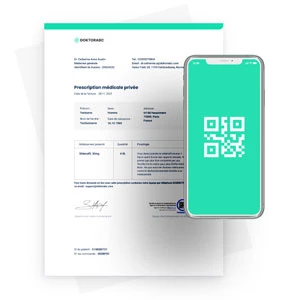
- Prescriber review: a UK-registered prescriber reviews your answers and, if clindamycin cream is appropriate, approves a prescription.
- Delivery: your medication is dispensed by a GPhC-registered pharmacy and delivered to your door in discreet packaging.
The Patient Information Leaflet for clindamycin vaginal cream is available via the Electronic Medicines Compendium (eMC): https://www.medicines.org.uk/emc/files/pil.100759.pdf
The PIL in your medicine pack may differ from the version online, as it may have been updated since your medicine was packaged, or the medicine may be from another brand.