













Finasteride vs Propecia: Are they the same?

- Why Propecia and finasteride are pharmacologically identical
- What bioequivalence means in practice
- Whether side effects differ between branded and generic
- How costs compare in the UK
- How to access either form via prescription
What is Propecia?
Propecia is the original branded version of finasteride 1 mg, manufactured by Organon and licensed by the MHRA for the treatment of male pattern hair loss (androgenetic alopecia) in adult men. It has been available in the UK since 1997 and was the first licensed oral treatment for male pattern hair loss.
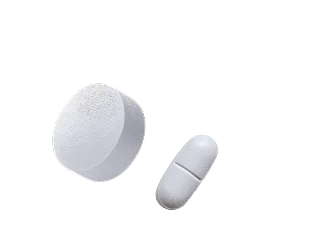
Each Propecia tablet contains 1 mg of finasteride as the active ingredient, along with a number of inactive ingredients (excipients) used in the tablet coating and formulation.
What is generic finasteride?
Generic finasteride 1 mg is produced by multiple MHRA-approved pharmaceutical manufacturers and contains the same active ingredient at the same dose as Propecia. It became available in the UK after Merck's original patent on finasteride expired, opening the market to other manufacturers.
All licensed generic finasteride products sold in the UK must demonstrate bioequivalence to Propecia before receiving MHRA approval. This means they deliver the same amount of active ingredient into the bloodstream at the same rate as the branded product, within an accepted margin. In clinical terms, your body cannot tell the difference between Propecia and a licensed generic finasteride tablet. For a full explanation of how finasteride works in the body and what results to expect, see our “what is finasteride” guide.
Good to know
When a GP prescribes finasteride by its generic name rather than as Propecia, the pharmacy will dispense whichever licensed finasteride product they have in stock. Both are therapeutically identical.
Are Propecia and generic finasteride equally effective?
Yes. The MHRA's bioequivalence requirement ensures that all licensed generic finasteride products produce the same clinical outcomes as Propecia.
Both Propecia and generic finasteride work by inhibiting type II 5-alpha reductase, reducing DHT levels in the scalp by approximately 60 to 70%. This slows or halts follicle miniaturisation and, in many men, allows partial regrowth over time. The clinical trial data underpinning Propecia's MHRA licence applies equally to licensed generic versions containing the same active ingredient at the same dose.
For a full overview of what results to expect and when, see our finasteride before and after guide.
Do Propecia and finasteride have different side effects?
No. Because both contain identical active ingredients at identical doses, their side effect profiles are clinically the same.
The side effects associated with finasteride apply equally to Propecia and generic finasteride. There is no clinical evidence that one produces a higher or lower incidence of any side effect than the other.
Some patients report subjective differences between branded and generic versions. These are not supported by pharmacological evidence and are more likely to reflect differences in inactive ingredients, which affect tablet appearance and coating but not the active drug's behaviour in the body.
Good to know
If you switch between Propecia and a generic finasteride product and notice a change in your experience, discuss this with your prescriber or pharmacist. The active ingredient is identical, but it is worth raising any concerns rather than stopping treatment without clinical guidance. For a full overview of finasteride's side effect profile, see our finasteride side effects guide.
If you are specifically looking for information on Propecia's side effect profile, see our dedicated Propecia side effects guide
How do the costs compare in the UK?
The price difference between Propecia and generic finasteride is significant, and the reason is the same as for any branded versus generic medicine: once a patent expires, multiple manufacturers enter the market without the original research and development costs, driving prices down considerably.
| Propecia (branded) | Generic finasteride | |
|---|---|---|
| Active ingredient | Finasteride 1 mg | Finasteride 1 mg |
| Typical private cost per tablet | Approx. £1.50–£3.00 | Approx. £0.30–£0.80 |
| Available on NHS | Yes (as generic) | Yes |
| Prescription required | Yes | Yes |
Prices are based on UK private prescription data, April 2026. Always confirm current pricing directly with your chosen GPhC-registered provider.
For most men, generic finasteride represents significantly better value with no clinical trade-off. Switching from Propecia to generic finasteride is not a clinical compromise; it is a cost decision.
Good to know
NHS prescriptions for finasteride are almost always dispensed as the generic version rather than branded Propecia. In England, the standard prescription charge of £9.90 applies. Prescriptions are free in Scotland, Wales, and Northern Ireland for eligible patients.
How do you access Propecia or finasteride in the UK?
Both Propecia and generic finasteride are prescription-only medicines in the UK. Neither can be purchased without a valid prescription from a UK-registered prescriber.
Legitimate access routes include:
Via your GP
Your GP can prescribe finasteride on the NHS or privately. NHS prescriptions will almost always be dispensed as generic finasteride rather than branded Propecia.
Via a regulated online clinic:
Private online prescribing services staffed by UK-registered prescribers offer a convenient route to finasteride without a face-to-face appointment. The assessment is conducted via a health questionnaire reviewed by a registered prescriber. If approved, the prescription is dispensed by a GPhC-registered pharmacy and delivered directly.
DoktorABC connects UK patients with licensed prescribers who can assess suitability for finasteride and issue private prescriptions where clinically appropriate.
Always confirm that any online service is registered with the Care Quality Commission (CQC) and uses a GPhC-registered pharmacy. Check GPhC registration at pharmacyregulation.org.
Warning !
Do not purchase finasteride or Propecia from unregulated online sources. The MHRA has warned that medicines purchased without a prescription from unregulated websites may be counterfeit, contain incorrect doses, or include harmful substances. Report suspected counterfeit products via the Yellow Card scheme at yellowcard.mhra.gov.uk.
Final thoughts
Propecia and generic finasteride are the same medicine. For men currently paying for branded Propecia, switching to generic finasteride is a straightforward and clinically appropriate cost saving. The only meaningful consideration is ensuring that whichever version you use comes from a legitimate, GPhC-registered source, accessed via a valid prescription.
FAQ
Is Propecia the same as finasteride?
Yes. Propecia is the brand name for finasteride 1 mg. Both contain the same active ingredient at the same dose and produce identical clinical effects.
Is generic finasteride as effective as Propecia?
Yes. All licensed generic finasteride products must demonstrate bioequivalence to Propecia before MHRA approval. The clinical outcomes are identical.
Do Propecia and finasteride have different side effects?
No. Both contain identical active ingredients at identical doses. The side effect profile is clinically the same for both.
Is generic finasteride cheaper than Propecia?
Yes, considerably. Generic finasteride typically costs £0.30 to £0.80 per tablet privately, compared to £1.50 to £3.00 for branded Propecia.
Can I switch from Propecia to generic finasteride?
Yes. Switching is clinically appropriate and not a compromise on efficacy or safety. Discuss the switch with your prescriber or pharmacist if you have any concerns.
Do I need a prescription for Propecia or finasteride?
Yes. Both are prescription-only medicines in the UK. A clinical assessment by a UK-registered prescriber is required before either can be dispensed.
Where can I report a side effect from Propecia or finasteride?
Via the MHRA Yellow Card scheme at yellowcard.mhra.gov.uk, through the Yellow Card app, or by asking your prescriber or pharmacist to report on your behalf.
The DoktorABC medical advisory board

Dr. Roland Ruiken
Medical advisor, Norway

Dr. Viktor Simunovic
Medical advisor, Croatia