










What is Finasteride?
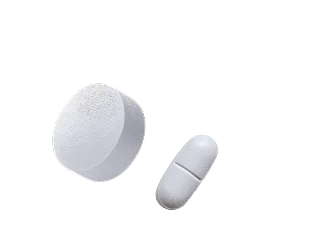
Finasteride is a prescription-only medicine used to treat male pattern hair loss (androgenetic alopecia). It is available as a 1 mg tablet taken once daily and with over 25 years of use and a well-documented body of evidence, it is one of the most clinically established treatments for hair loss.
Finasteride belongs to a class of medicines called 5-alpha reductase inhibitors. It is also available at a higher 5 mg dose under the brand name Proscar, where it is licensed for the treatment of an enlarged prostate (benign prostatic hyperplasia). For hair loss, the 1 mg dose is the standard prescribed strength.
How does Finasteride work?
Hair loss in men is primarily driven by a hormone called dihydrotestosterone (DHT) which is derived from testosterone through the action of an enzyme called 5-alpha reductase. In men with a genetic sensitivity to DHT, the hormone binds to receptors in hair follicles and causes them to gradually decrease, producing thinner, shorter hairs until they eventually stop growing altogether. This is the underlying mechanism of male pattern baldness.
Finasteride works by inhibiting the 5-alpha reductase enzyme. By blocking this conversion, it reduces DHT levels in the scalp by approximately 60 to 70%. With less DHT present, the follicle miniaturisation process is slowed or halted. Over time, previously dormant follicles may begin to recover, and new hair growth can occur in areas where hair has recently thinned.
Visible results from finasteride typically become apparent after three to six months of consistent daily use, with significant improvement seen by approximately 12 months.
What are the benefits of using Finasteride?
Finasteride is one of only two treatments licensed in the UK specifically for male pattern hair loss, the other being minoxidil. Its benefits are well established and include.
Slows or stops hair loss. In clinical studies, approximately 86% of men taking 1 mg finasteride daily experienced no further hair loss after two years of treatment. For many men, simply stabilising their hair loss is a significant outcome.
Promotes regrowth. Around 65% of men in clinical trials saw visible regrowth of hair in the affected area after two years of continuous use, with the crown (vertex) showing the most consistent response.
Convenient once-daily dosing. Finasteride is taken as a single 1 mg tablet each day, with no special timing or dietary requirements.
Long-term effectiveness. Studies following patients over five years confirm that the benefits of finasteride are maintained with continued use. Results are dependent on ongoing treatment. Hair loss typically resumes within 6 to 12 months of stopping.
Who can use Finasteride?
Finasteride 1 mg is licensed for use by adult men experiencing male pattern hair loss. It is not suitable for everyone, and a medical consultation is required before it can be prescribed.
Finasteride may be suitable for you if:
- You are a man aged 18 or over
- You are experiencing male pattern hair loss (a receding hairline, thinning at the crown, or both)
- You have no contraindications identified during your online consultation
Finasteride is not suitable if:
- You are a woman. Finasteride is not licensed for hair loss in women. It carries a risk of causing birth defects and must not be handled by women who are pregnant or may become pregnant.
- You are under 18 years of age
- You have a history of liver disease
- You have a known allergy to finasteride or any of the tablet's ingredients
- You have been diagnosed with prostate cancer
Your prescriber will review your full medical history as part of the DoktorABC online consultation to confirm whether finasteride is appropriate for you.
How to take Finasteride?
Finasteride 1 mg is taken orally, once daily. The tablet should be swallowed whole with water and can be taken with or without food, at any time of day that suits your routine. The most important factor is consistency, taking it at the same time each day helps maintain steady levels of the medication in your system.
If you miss a dose: Take it as soon as you remember. If it is almost time for your next dose, skip the missed one and continue as normal. Do not take two tablets to make up for a missed dose.
How long before you see results: Hair loss treatments require patience. Most men notice that shedding has slowed within the first three months. Visible regrowth typically becomes apparent between six and twelve months of daily use. Full results are usually visible by 12 months.
How long to continue treatment: Finasteride works only while it is being taken. If you stop treatment, DHT levels return to normal and hair loss is likely to resume within six to twelve months. Many men choose to continue treatment long-term to maintain their results.
Do not exceed the prescribed dose. Taking more than the recommended 1 mg daily dose will not improve results and increases the risk of side effects.
Precautions and interactions
Before starting finasteride, it is important to be aware of the following precautions and potential interactions.
Liver function. Finasteride is processed by the liver. Men with liver disease or significantly impaired liver function should not take finasteride, or only do so under close medical supervision.
Prostate health. Finasteride reduces PSA levels, which is a marker used to screen for prostate cancer. If you are due for prostate cancer screening or have any urinary symptoms, inform your prescriber before starting treatment.
Drug interactions. Finasteride has few well-documented drug interactions at the 1 mg dose used for hair loss. However, always inform your prescriber of all other medications you are taking, including supplements and over-the-counter medicines, to rule out any potential interactions.
Donation of blood. Men taking finasteride should not donate blood during treatment and for one month after stopping. This is to protect against the risk of finasteride being administered to a pregnant woman through a blood transfusion.
Handling tablets. Crushed or broken finasteride tablets should not be handled by women who are pregnant or may become pregnant. The active ingredient can be absorbed through the skin and may cause harm to a male foetus.
Alcohol. There is no known direct interaction between finasteride and alcohol. However, excessive alcohol intake can affect liver function and general health, both of which are relevant to any prescription treatment.
Fertility. Finasteride has been detected in semen. Although the amount is very small, men whose partners are pregnant or trying to conceive should discuss this with their prescriber.
If you have any questions about whether finasteride is right for you, our UK-registered prescribers are available to advise you as part of your online consultation.
What are the side effects of Finasteride?
Like all prescription medicines, Finasteride can cause side effects, although not everyone experiences them. The majority of men who take finasteride do so without any significant issues. Understanding the range of side effects can help you monitor your response to treatment and seek support if needed.
Common side effects (may affect up to 1 in 10 men):
- Decreased libido (reduced sex drive)
- Difficulty achieving or maintaining an erection (erectile dysfunction)
- Reduced ejaculate volume
- Breast tenderness or enlargement (gynaecomastia)
These effects are typically mild. In most cases, they resolve during continued treatment or after stopping Finasteride.
Uncommon side effects (may affect up to 1 in 100 men):
- Testicular pain
- Hypersensitivity reactions such as rash, itching, hives, or swelling of the lips and face
Important - Post-Finasteride Syndrome (PFS): A small number of men have reported that sexual side effects persisted after stopping treatment. This is known as post-finasteride syndrome. The evidence base is still developing, but it is something prescribers take seriously. If you have concerns about this, discuss them with your prescriber during your consultation.
Finasteride and mental health: Some reports have linked Finasteride use to mood changes, including low mood and, in rare cases, depression. While the evidence is not conclusive, patients are advised to monitor their mental wellbeing and speak to their GP or prescriber if they notice significant changes in mood.
Finasteride and PSA levels: Finasteride lowers prostate-specific antigen (PSA) levels by approximately 50%. If you have a PSA test while taking Finasteride, inform your doctor, as results will need to be interpreted accordingly.
If you experience any side effect that concerns you, contact your prescriber or GP. You can also report side effects directly to the MHRA via the Yellow Card scheme at yellowcard.mhra.gov.uk.
Leaflet info
The Patient Information Leaflet (PIL) is the leaflet included in the pack with a medicine. It is written for patients and gives information about taking or using a medicine. It is possible that the leaflet in your medicine pack may differ from the PDF-version from this website because it may have been updated since your medicine was packaged or the medicine is from another brand.