














How does orlistat work? A complete guide

- What orlistat is and the forms are available
- How the lipase inhibitors in orlistat work
- What orlistat does not do: Addressing a common misconception about stored fat
- Realistic timelines for how long it takes to orlistat work
- How to take orlistat correctly: Timing, missed meals, and practical guidance
- Understanding the orange oil question
- What you need to know about orlistat and alcohol
- Combining orlistat with Wegovy or Mounjaro: The clinical position explained
- What is orlistat?
- How does orlistat work?
- Does orlistat burn existing fat?
- How long does orlistat take to work?
- How much weight can you lose with orlistat per week?
- How to take orlistat
- Orlistat and orange oil: What is happening and what to do
- Orlistat and alcohol
- Does orlistat work for everyone?
- Can you take orlistat with Wegovy?
- Can you take orlistat with Mounjaro?
- Final thoughts
What is orlistat?
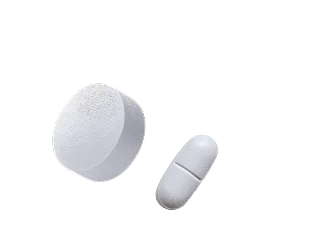
Orlistat is a prescription medicine used to support weight management in adults alongside a calorie-controlled, low-fat diet and exercise. It is available in the UK in two forms:
- Orlistat 120 mg (prescription only): Available on the NHS where eligibility criteria are met, or via private prescription. Also sold under the brand name Xenical.
- Orlistat 60 mg (over the counter): Available without a prescription from UK pharmacies under the brand name Alli, following a pharmacist suitability assessment.
Both forms work through the same mechanism. The 120 mg prescription dose is more potent and produces greater fat blocking than the 60 mg OTC version.
Good to know
Prescription orlistat 120 mg blocks approximately one third of the fat consumed in a meal. The OTC 60 mg dose blocks a smaller proportion. For patients who require meaningful weight loss, the prescription dose is the more clinically effective option.
How does orlistat work?
Orlistat works in the digestive system, not in the bloodstream or brain. It belongs to a class of medicines called lipase inhibitors.
When you eat food containing fat, your body normally produces enzymes called lipases in the pancreas and gut lining. These enzymes break dietary fat down into smaller molecules (fatty acids and glycerol) that can be absorbed through the gut wall and stored or used for energy.
Orlistat binds to and blocks these lipase enzymes, preventing them from breaking down a proportion of the fat you consume. Approximately one third of dietary fat passes through the digestive tract undigested and is excreted in the stool rather than absorbed.
This is why orlistat only works when fat is present in a meal. If you eat a fat-free meal or skip a meal, there is nothing for orlistat to act on, and the dose for that meal can be omitted.
Good to know
Orlistat has no effect on appetite, blood sugar, or the brain's hunger signals. It is a purely mechanical intervention in the digestive process. This makes it fundamentally different from GLP-1 medicines such as Wegovy and Mounjaro, which work centrally to reduce hunger and cravings.
Does orlistat burn existing fat?
No, and this is one of the most important misconceptions to address clearly.
Orlistat does not mobilise, metabolise, or burn stored body fat. It does not access fat already deposited in adipose tissue. It only acts on dietary fat consumed in the same meal as the tablet.
Weight loss with orlistat occurs because fewer calories from fat are absorbed over time, creating a caloric deficit that, combined with dietary changes and exercise, leads the body to draw on its existing fat stores for energy. But orlistat itself plays no direct role in that process. The fat burning is a consequence of the caloric deficit, not a direct pharmacological effect of the medicine.
How long does orlistat take to work?
The fat-blocking effect is immediate. From the first dose taken with a fat-containing meal, orlistat begins inhibiting lipase activity and reducing fat absorption during that meal.
Visible weight loss takes longer. Most patients begin to see measurable changes on the scales within two to four weeks of consistent use alongside a low-fat, calorie-controlled diet. Progress accelerates as dietary habits become more established and the body begins drawing on stored fat to compensate for the reduced caloric absorption.
How much weight can you lose with orlistat per week?
Realistic weekly weight loss with orlistat, combined with a calorie-controlled low-fat diet and regular exercise, is typically in the range of 0.5 to 1 kg per week. This is consistent with general evidence-based guidance on safe and sustainable weight loss.
NICE TA22 data shows that patients taking orlistat alongside an appropriate diet and exercise programme lost an average of 5 to 10% of their starting body weight over 12 months. For a person starting at 100 kg, this represents 5 to 10 kg over a year, or roughly 0.1 to 0.2 kg per week on average, though the rate of loss is typically faster in the early months.
Individual variation is considerable. Factors including starting weight, dietary fat reduction, activity level, and metabolic rate all influence the pace of results.
Important!
NICE guidance recommends reviewing progress at 12 weeks. If less than 5% of starting body weight has been lost by this point, a prescriber review is recommended to assess whether orlistat remains the right approach for you.
How to take orlistat
Orlistat 120 mg is taken orally with water, up to three times daily, with each main meal containing fat. The dose can be taken immediately before, during, or up to one hour after eating.
Key practical points:
- If a meal is skipped, or contains no fat, the dose for that meal should be omitted
- No more than three doses should be taken in any 24-hour period
- Dietary fat should be distributed as evenly as possible across the three meals of the day, with no single meal containing more than approximately 15 g of fat
- A daily multivitamin containing fat-soluble vitamins A, D, E, and K should be taken at bedtime, away from orlistat doses, throughout treatment
Orlistat and orange oil: What is happening and what to do
Oily or orange-coloured stools are something many people notice when they start taking orlistat, and it is worth explaining clearly what is happening and why.
The oily, sometimes orange-coloured discharge or stools that many orlistat users experience are the undigested fat being excreted from the body. This is the medicine working as intended. The fat that orlistat prevents from being absorbed has to leave the body somehow, and it does so through the stool.
The orange colour occurs because fat-soluble pigments from food (particularly beta-carotene from orange and yellow vegetables) are carried out with the unabsorbed fat. The consistency and appearance of the stool changes because fat, when undigested, passes through the bowel differently from normal stool.
How quickly this occurs after taking orlistat depends on how long it takes for food to move through the digestive system, which varies between individuals. Most people notice changes in stool within a few hours to a day of eating a high-fat meal with orlistat.
Practical management tips:
- Keep dietary fat to no more than 15 g per meal to significantly reduce the severity and unpredictability of these effects
- Be cautious about timing in situations where bathroom access is limited
- The effects tend to reduce significantly once a consistently low-fat diet is established
Good to know
If oily discharge or orange stools are significant, it is a reliable signal that the meal contained more fat than recommended. Rather than a cause for concern, many patients find it a useful real-time indicator of dietary fat intake.
Orlistat and alcohol
Alcohol is not directly contraindicated with orlistat, and there is no pharmacological interaction between the two. However, alcohol is relevant to orlistat treatment for two practical reasons.
First, alcohol is calorie-dense. Regular or heavy drinking adds significant calories that are not affected by orlistat, as the medicine only acts on dietary fat. This can undermine the caloric deficit that orlistat is intended to support.
Second, alcohol lowers inhibitions around food choices. Patients who drink alcohol, particularly in social settings, may find it harder to maintain the low-fat dietary discipline that orlistat requires. A high-fat meal consumed after drinking can produce significant GI side effects the following day.
Finally, there is also a practical consideration around vitamin and mineral absorption. Alcohol, particularly when consumed regularly or in significant quantities, can independently impair the absorption and metabolism of several key micronutrients including vitamin D, vitamin A, and B vitamins. For patients taking orlistat, regular alcohol consumption therefore compounds the nutritional considerations already associated with the medicine, making consistent multivitamin supplementation and periodic blood tests to monitor vitamin levels particularly important.
Important!
While alcohol is not contraindicated with orlistat, heavy or frequent drinking is likely to undermine your weight-loss progress and may make the dietary discipline required for orlistat more difficult to sustain.
Does orlistat work for everyone?
No medicine works equally well for everyone, and orlistat is no exception.
The patients who respond best are those who genuinely reduce dietary fat alongside taking the medicine, engage with a calorie-controlled diet and regular exercise, and persist through the initial GI adjustment period. For these patients, orlistat is an effective aid to weight management with a well-established evidence base.
Patients who continue eating a high-fat diet, who stop during the adjustment period because of GI side effects, or who expect results without meaningful lifestyle change tend to see limited benefit. Orlistat is not a standalone solution; it is a tool that amplifies the effect of dietary change.
Can you take orlistat with Wegovy?
There is no established formal contraindication between orlistat and Wegovy (semaglutide), but combining them is off-label and must only be considered under clinician supervision.
The two medicines work through entirely different mechanisms. Wegovy acts centrally to suppress appetite and slow gastric emptying; orlistat acts locally in the gut to reduce fat absorption. In theory, these complementary mechanisms could produce additive benefits, but there is no robust clinical evidence base supporting the combination as a standard approach.
If you are already on one medicine and feel your results are insufficient, the appropriate step is a prescriber review rather than self-adding another treatment.
Can you take orlistat with Mounjaro?
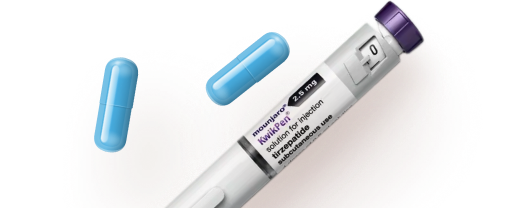
The same position applies to Mounjaro (tirzepatide). There is no established contraindication, but combining orlistat with Mounjaro is off-label and requires medical supervision.
Mounjaro acts as a dual GIP and GLP-1 receptor agonist, suppressing appetite and slowing gastric emptying through hormonal pathways. Orlistat acts mechanically in the gut on fat absorption. The combination has not been studied in clinical trials as a standard regimen. Do not combine the two medicines without explicit prescriber guidance.
Important!
Never add a second weight-loss medicine to your existing treatment without speaking to your prescriber first. Both combinations discussed above are off-label and require individual clinical assessment.
Final thoughts
Orlistat is a well-evidenced, straightforward medicine that works mechanically in the digestive system to reduce fat absorption. Its effectiveness is directly tied to dietary adherence, and its side effects are a predictable consequence of the same mechanism that makes it work. Understanding both of these things before starting treatment is the best preparation for using it successfully.
FAQ
Does orlistat burn fat?
No. Orlistat prevents dietary fat from being absorbed during digestion. It does not act on stored body fat. Weight loss occurs because the reduced fat absorption creates a caloric deficit over time, which leads the body to use existing fat stores for energy.
How quickly does orlistat work?
The fat-blocking effect begins immediately with the first dose. Visible weight loss typically begins within two to four weeks of consistent use alongside a low-fat diet.
Why are my stools orange or oily when taking orlistat?
Orange or oily stools are caused by undigested fat being excreted, sometimes carrying fat-soluble food pigments with it. This is a sign the medicine is working. Reducing dietary fat to the recommended levels significantly reduces this effect.
Can I drink alcohol while taking orlistat?
Alcohol is not pharmacologically contraindicated with orlistat, but it adds calories that orlistat does not affect, as well as inhibiting the absorption of vitamins and minerals. This combination of factors means alcohol can make it harder to maintain the low-fat diet the medicine requires.
How much weight will I lose on orlistat per week?
Typically 0.5 to 1 kg per week with consistent dietary adherence and exercise. NICE data shows average losses of 5 to 10% of starting body weight over 12 months.
Can I take orlistat with Wegovy or Mounjaro?
There is no formal contraindication, but combining either medicine with orlistat is off-label. Any combination must be assessed and supervised by a prescriber. Do not add orlistat to an existing prescription without clinical guidance.
The DoktorABC medical advisory board

Dr. Roland Ruiken
Medical advisor, Norway

Dr. Viktor Simunovic
Medical advisor, Croatia