










9 kg in 6 months

Month 0
Month 6
I used to have constant cravings. Now I feel full faster and overall much more comfortable in my body.

Why DoktorABC?

UK licensed and regulated pharmacy services

Speak to a UK-registered prescriber today - no appointment required

Discreet delivery in 2-3 business days

Your data is safe

Transparent pricing and no hidden fees

1M+ customers worldwide

4M orders worldwide

Over 8+ Years of trust



We're here to help. Our team is available Monday to Friday, 9:00 AM–6:00 PM.
Lencya 30mg 12 Pills (medical fee)Pills
Package: 60 st
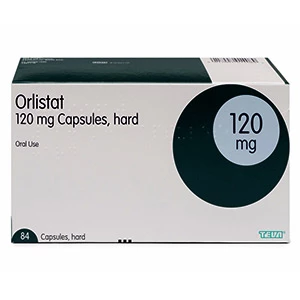
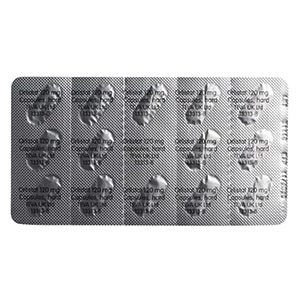
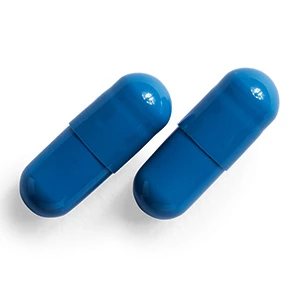
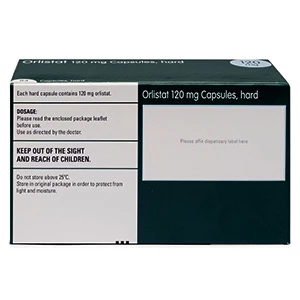
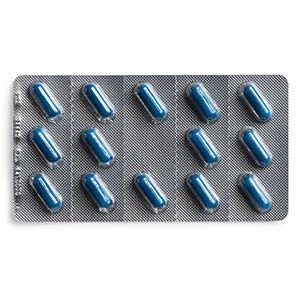

Up to 20% weight loss in clinical trials*
Based on separate long-term clinical trials.

Free & discreet delivery in 1-3 business days
From consultation to delivery, your privacy is protected at every step.

Genuine, regulated medication
All treatments are MHRA-regulated and dispensed by GPhC-registered pharmacies.

No subscription required
Order treatment on-demand, with no monthly plan or ongoing commitment.

from £71


from £71
Up to 20% weight loss in clinical trials*
Based on separate long-term clinical trials.
Free & discreet delivery in 1-3 business days
From consultation to delivery, your privacy is protected at every step.
Genuine, regulated medication
All treatments are MHRA-regulated and dispensed by GPhC-registered pharmacies.
No subscription required
Order treatment on-demand, with no monthly plan or ongoing commitment.
Available dosages
Orlistat supports weight loss by reducing the amount of fat your body absorbs from food. Taken with water at each of your three main meals, it works alongside a low-calorie, reduced-fat diet to help you lose weight gradually and sustainably. If a meal contains no fat, you can skip that dose. For best results, it's important to maintain a balanced, low-fat diet throughout your treatment, including between meals.
Start a consultation for Weight Loss treatment and fill in a simple health questionnaire. Then choose your preferred medication from the list of recommended treatment options or keep the default recommended treatment. The prescriber will review your information and if suitable issue your prescription online. The pharmacy will then send you your medication with free next day delivery.
Please note: Decisions about treatment are for both the prescriber and the person to jointly consider during the consultation. However, the final decision will always be the prescriber’s.
Orlistat is a prescription-only medicine used as part of a structured weight management programme in adults, alongside a reduced-calorie, balanced diet and increased physical activity.
It works by reducing the absorption of dietary fat in the digestive system. Treatment suitability and dosage are determined by a UK-registered prescriber following an individual medical assessment.
Complete an online consultation and medical questionnaire.
A UK-registered prescriber will review your answers and, if orlistat is considered clinically appropriate, issue a prescription.
Important information. DoktorABC UK is a digital health platform that connects patients with independent, UK-registered prescribers. DoktorABC UK does not itself provide medical care, issue prescriptions or dispense medicines. All clinical decisions are made by the UK-registered prescriber following an individual medical assessment.
Orlistat is a prescription medicine used to support weight management in adults who are overweight or obese, as part of a comprehensive weight management plan that includes dietary changes and increased physical activity.
Unlike other weight management medicines, it acts locally in the digestive tract and does not affect the central nervous system or cardiovascular system.
Orlistat belongs to a class of medicines known as lipase inhibitors. It works by blocking enzymes called lipases, which are responsible for breaking down dietary fat in the intestine.
As a result, approximately 30% of fat consumed in meals is not absorbed and passes through the intestine undigested, contributing to a reduction in overall calorie intake.
Orlistat may be considered for adults following medical assessment, particularly those with:
Treatment must be combined with a reduced-calorie, nutritionally balanced diet and long-term lifestyle changes, including regular physical activity. Treatment outcomes vary between individuals and depend on adherence to dietary guidance. A UK-registered prescriber will assess your overall health, medical history and current medicines before prescribing.
The usual dose is 120 mg up to three times daily, taken with each main meal containing fat. If a meal is skipped or contains no fat, that dose can be omitted. Always follow the dosage instructions provided by your UK-registered prescriber.
Swallow the capsule whole with water, immediately before, during or up to one hour after a main meal. Orlistat is only effective when dietary fat is present. Following a lower-fat diet is recommended to help reduce gastrointestinal side effects
Orlistat should not be used if you:
Always inform your UK-registered prescriber about your full medical history before starting treatment.
Like all medicines, orlistat can cause side effects, although not everyone experiences them.
Reducing dietary fat intake can help minimise side effects.
If you experience side effects, inform your UK-registered prescriber.
Suspected adverse reactions can be reported via the MHRA Yellow Card scheme.
Clinical studies have evaluated the safety and effectiveness of orlistat as part of weight management programmes.
Published evidence indicates that orlistat reduces dietary fat absorption by approximately 30% at the recommended dose. When combined with dietary and lifestyle changes, average weight loss over 12 months has been shown to be modest but clinically relevant in some individuals.
These study results are provided for informational context only and do not represent expected or guaranteed outcomes for individual patients.
Marketing authorisation holder and manufacturer details can be found in the UK patient information leaflet.
The UK patient information leaflet for orlistat is available via the electronic Medicines Compendium (eMC).
Leaflet info
The Patient Information Leaflet (PIL) is the leaflet included in the pack with a medicine. It is written for patients and gives information about taking or using a medicine. It is possible that the leaflet in your medicine pack may differ from the PDF-version from this website because it may have been updated since your medicine was packaged or the medicine is from another brand.
How long does orlistat take to work?

Do I need to follow a specific diet?
Can I take orlistat long-term?
What happens if I miss a dose?
Our platform is fully GDPR-compliant, because when it comes to your health, privacy is not optional.






Top ratings
best guarantee
Choose your treatment and answer a short, confidential health questionnaire. It only takes a few minutes.

A qualified prescriber assesses your answers and, if appropriate, issues your prescription the same day.

Your medication is dispatched by our regulated UK pharmacy and arrives in discreet packaging within 2-3 business days.