










What is Slynd?
Slynd is a progestogen-only pill (POP), also referred to as the mini-pill. Each white active tablet contains 4 mg of drospirenone, a progestogen with anti-androgenic and anti-mineralocorticoid properties. The 4 green tablets in each pack are placebo tablets containing no active ingredient.
Slynd is the only progestogen-only pill currently available in the UK that uses drospirenone. Other POPs, such as Cerelle, Cerazette, and Zelleta, use desogestrel. This difference in active ingredient gives Slynd a different hormonal profile and a longer missed pill window.
How does Slynd work?
Slynd provides contraceptive protection through three mechanisms:
Ovulation inhibition. Slynd prevents the release of an egg each month, which is its primary contraceptive mechanism.
Cervical mucus thickening. It makes it harder for sperm to reach the egg.
Endometrial thinning. It alters the lining of the uterus, reducing the likelihood of implantation.
Drospirenone's anti-androgenic properties may help with symptoms associated with excess androgen activity, such as acne and oily skin. Its anti-mineralocorticoid action can reduce fluid retention, which some women find beneficial if they have experienced bloating or water retention on other hormonal contraceptives.
Who is Slynd suitable for?
Slynd is suitable for women who have had their first period and are looking for a progestogen-only contraceptive. Like other POPs, it is a good option for women who cannot use oestrogen-containing contraceptives.
Slynd may be suitable if you:
- Smoke and are over 35
- Experience migraines with aura
- Are breastfeeding
- Have certain cardiovascular risk factors
- Have experienced fluid retention or bloating on other hormonal contraceptives
Slynd is not suitable if you have, or have ever had:
- A blood clot in the legs, lungs, or other organs
- Liver disease where liver function has not returned to normal
- Kidney failure or significantly reduced kidney function
- Breast cancer or other sex-steroid-sensitive cancers
- Unexplained vaginal bleeding
Speak to your UK-registered prescriber before starting Slynd if you have a history of thrombosis, high blood pressure, diabetes, or liver or breast cancer. Because drospirenone can affect potassium levels, your prescriber may recommend a blood test during your first treatment cycle, particularly if you have impaired kidney function or take medicines that can raise potassium.
Slynd vs. desogestrel-based pills
Both Slynd and desogestrel-based pills such as Cerelle and Cerazette inhibit ovulation, making them more effective than older POPs. However, there are some practical differences worth knowing.
Missed pill window. Slynd has a 24-hour window, compared to 12 hours for desogestrel POPs. This offers more flexibility for women who do not always take their pill at a consistent time.
Hormonal profile. Drospirenone has anti-androgenic and anti-mineralocorticoid effects that desogestrel does not, which may benefit women with acne or fluid retention.
Pack structure. Slynd's 24/4 format includes placebo days, which some women find helpful for tracking their cycle. Desogestrel POPs use continuous 28-tablet strips with no placebo days.
How to take Slynd
Take one tablet daily at the same time each day, with or without food. Avoid grapefruit or grapefruit juice while taking Slynd. Follow the order shown on the blister, starting with the first white active tablet and following the direction of the arrows. Take the 24 white tablets first, then the 4 green placebo tablets, and start your next pack immediately with no break.
Starting Slynd. For immediate protection, start on the first day of your period. If you start later, use a barrier method for the first 7 days.
Missed pill. If you are less than 24 hours late taking a white active tablet, take it as soon as you remember and continue as normal. You remain protected. If you are more than 24 hours late, take the missed tablet straight away and use additional contraception for the next 7 days. Missing a green placebo tablet has no effect on contraceptive protection.
Vomiting or diarrhoea. If you vomit within 3 to 4 hours of taking a white active tablet, take another tablet from a spare pack as soon as possible. If this is not possible within 24 hours, follow the missed pill guidance above.
Side effects and safety
Like all medicines, Slynd can cause side effects, although not everyone experiences them.
Common side effects (may affect up to 1 in 10 people):
- Headache
- Nausea or abdominal pain
- Acne
- Mood changes or changes in sex drive
- Breast discomfort or painful periods
- Irregular or absent bleeding
- Weight gain
Uncommon side effects (may affect up to 1 in 100 people):
- Dizziness
- Fluid retention or anaemia
- Vomiting, diarrhoea, or constipation
- Vaginal infections or discharge
- Depressed mood, depression, or anxiety
- Hair loss, itching, or skin changes
- Ovarian cysts or pelvic pain
- Elevated blood pressure or hot flushes
- Raised potassium levels (shown in blood tests)
Hyperkalaemia risk: Because drospirenone can raise potassium levels, there is a risk of hyperkalaemia in women with reduced kidney function or those taking medicines that affect potassium. Your UK-registered prescriber will assess this during your consultation.
Thrombosis: The PIL notes there may be a slightly increased risk of thrombosis with progestogen-only preparations, but that this risk is considered lower than with combined pills. Seek medical attention straight away if you experience swelling or pain in the leg, sudden breathlessness, chest pain, or sudden severe headache.
Mood changes: The PIL includes a specific note that some women using hormonal contraceptives, including Slynd, have reported depression. Contact your UK-registered prescriber promptly if you notice significant changes in your mood.
Slynd and your bleeding pattern
Changes to your bleeding pattern are common with Slynd and are a recognised effect of the medicine. Your periods may become lighter, more irregular, or stop altogether. The PIL is clear that irregular bleeding is not a sign that contraceptive protection has been reduced.
Some spotting during the active tablet days is normal, particularly in the first few months. If bleeding becomes heavy or prolonged, speak to your UK-registered prescriber. If you have no bleeding at all and have not taken your tablets as instructed, a pregnancy test is advisable.
How to get Slynd through DoktorABC
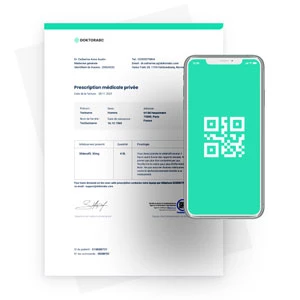
To access Slynd through DoktorABC, complete a short online consultation with a UK-registered prescriber, who will review your contraceptive history and medical background to assess suitability. Ongoing repeat prescriptions are also available through the platform, so you can manage your contraception without repeated clinic visits.
Important information: DoktorABC UK is a digital health platform that connects patients with independent, UK-registered prescribers. DoktorABC UK does not itself provide medical care, issue prescriptions or dispense medicines. All clinical decisions are made by the UK-registered prescriber following an individual medical assessment.