











Permethrin cream
- Prescription treatment for pubic lice
- Access permethrin cream following an online medical consultation
- What are pubic lice?
- Who is the treatment suitable for?
- How to apply permethrin cream for pubic lice
- When to seek urgent or clinical advice
- Managing contacts and your household
- Side effects and safety
- Persistent itching doesn't always mean the lice are still there
- How to get permethrin cream through DoktorABC
Prescription treatment for pubic lice
Permethrin 5% w/w Cream is a topical insecticide licensed in the UK for infestations of scabies and crab lice (pubic lice). It's supplied as a 30g tube of white cutaneous cream, applied directly to the skin. This page focuses on its use for pubic lice.
Access permethrin cream following an online medical consultation
Start the online consultation and complete the medical questionnaire. A UK-registered prescriber will review your answers and, where appropriate, approve a prescription for permethrin cream.
Important information: DoktorABC UK is a digital health platform that connects patients with independent, UK-registered prescribers. DoktorABC UK does not itself provide medical care, issue prescriptions or dispense medicines. All clinical decisions are made by the UK-registered prescriber following an individual medical assessment.
What are pubic lice?
Pubic lice (also called crab lice or "crabs") are small insects that live in coarse body hair, most often pubic hair, though they can also be found on chest, underarm, and facial hair, including eyebrows and eyelashes. They're spread through close body contact, most commonly sexual contact, and occasionally through shared clothing, towels or bedding.
Pubic lice are different from head lice, which live only on scalp hair and aren't linked to sexual contact, and from scabies, which is caused by a mite that burrows into the skin rather than living on hair. Symptoms usually include intense itching, worse at night, and sometimes visible lice or eggs (nits) attached to hair close to the skin. There's no lab test for pubic lice; diagnosis relies on finding live lice or eggs on examination, sometimes with a magnifying lens or comb.
If you're not sure what you're looking at, or you can't confirm live lice yourself, a sexual health clinic can examine you, confirm the diagnosis and check for other STIs at the same time.
Who is the treatment suitable for?
For the treatment of crab lice specifically, the product's UK licence covers adults aged 18 and over. It's not licensed for treating pubic lice in children; if a child has suspected pubic lice, this should be assessed by a doctor rather than self-treated. A full medical assessment is required before prescribing.
How to apply permethrin cream for pubic lice
- Apply to clean, dry, cool skin. Don't take a hot bath or shower immediately beforehand.
- Apply a thin layer over the whole body, taking particular care with pubic hair and other affected hairy areas.
- Check any facial hair (beards, moustaches) and eyelashes for live lice or eggs. Cream can be applied carefully to facial hair, but avoid the eyes.
- Don't apply the cream to eyelashes, as it can cause moderate eye irritation. If live lice or eggs are found on the eyelashes, these should be removed carefully with tweezers, or you should ask your UK-registered prescriber or a sexual health clinic about an appropriate eyelash-safe treatment.
- Take care to avoid the eyes, and mucous membranes such as the nose, throat and genital area, and any open wounds. If contact happens accidentally, rinse thoroughly with water.
- Leave the cream on for 24 hours, then wash off thoroughly with soap and water.
- If you need to wash your hands or another treated area during this time, reapply cream to that area afterwards.
- One application is usually enough. If lice persist or return, the PIL advises repeating treatment after 7 days.
When to seek urgent or clinical advice
Speak to your UK-registered prescriber, GP, or a sexual health clinic rather than continuing to self-treat if:
- Lice are found on the eyelashes or there's any eye involvement
- The affected person is a young child
- There's widespread skin inflammation or broken, infected skin
- You're not sure the diagnosis is correct
- Symptoms haven't improved despite a correctly completed course of treatment
Managing contacts and your household
Avoid close bodily and sexual contact until you and any partner(s) have completed treatment. Current sexual partners, and anyone you've had close contact with in the weeks before diagnosis, should be checked and treated too, even without symptoms, to prevent reinfestation.
At home, wash clothing, towels and bedding used recently at 50°C or above, or on a hot dryer cycle. Items that can't be laundered can be dry-cleaned or sealed in a plastic bag for around two weeks. Vacuum mattresses and soft furnishings. Don't share clothing, towels or bedding while treating an infestation.
Side effects and safety
Common side effects (may affect up to 1 in 10 people) include itching, redness, or unusual skin sensations such as tingling, prickling or burning, and dry skin. These can also occur as part of the infestation itself, and itching may persist for some weeks after successful treatment. Rare and very rare effects include headache, skin lesions, folliculitis and, in sensitive individuals, breathing difficulties.
Don't use permethrin cream if you're allergic to permethrin or any of its ingredients. Speak to your UK-registered prescriber first if you're allergic to chrysanthemums or related plants. For precautionary reasons, it isn't recommended in pregnancy or while breastfeeding unless your prescriber advises otherwise.
The cream contains butylhydroxytoluene (E321), lanolin, cetostearyl alcohol and parabens, which can occasionally cause local skin reactions. The lanolin-related ingredients can also reduce the reliability of latex products such as condoms and diaphragms used around the same time, so use alternative contraception if applicable. The tube's cap contains latex rubber. Permethrin is harmful to insects and to aquatic life, so keep it away from fish tanks, ponds and waterways, and dispose of unused product through a pharmacist rather than down the drain.
Persistent itching doesn't always mean the lice are still there
Itching, redness and skin irritation can continue for several weeks after a successful treatment, as your skin settles down. This alone isn't a reliable sign that lice are still present. Before applying a repeat treatment beyond the guidance above, it's worth confirming with your UK-registered prescriber or a sexual health clinic whether live lice are actually still present, since repeated unnecessary insecticide use can irritate the skin further. As pubic lice are usually acquired through sexual contact, it's also sensible to consider STI testing.
How to get permethrin cream through DoktorABC
- Complete your online consultation. Answer a short medical questionnaire about your symptoms and history.
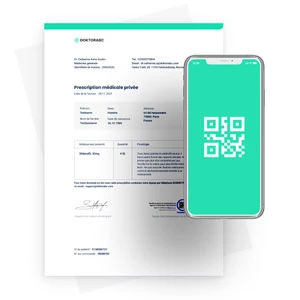
- Prescriber review. A UK-registered prescriber reviews your answers and, if appropriate, approves a prescription.
- Delivery. Your medication is dispensed by a GPhC-registered pharmacy and delivered to your door in discreet packaging.